
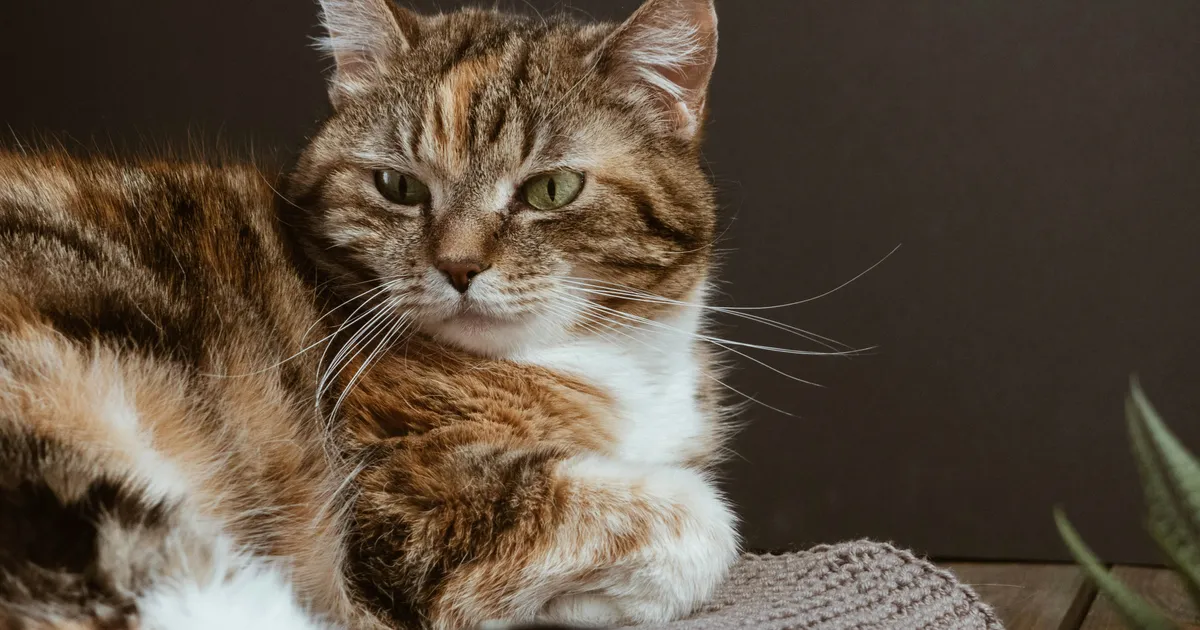
Living with multiple cats brings immense joy, but it also presents unique challenges, particularly when it comes to maintaining harmony and minimizing stress. Implementing effective stress reduction techniques for multi cat homes is crucial for the well-being of all feline residents and for fostering a peaceful coexistence. Cats are territorial by nature and highly sensitive to changes in their environment or social dynamics. Unmanaged stress can manifest in various behavioral issues, including aggression, inappropriate elimination, excessive grooming, or withdrawal. This authoritative guide will delve into practical, expert-backed strategies to identify, prevent, and alleviate stress, ensuring a serene and enriched living space for your cherished multi-cat family. Understanding the subtle cues your cats provide is the first step toward creating a truly tranquil home environment.
Recognizing Stress Signals in Multi-Cat Environments
Identifying stress in a multi-cat household can be more complex than in a single-cat home, as behaviors might be misattributed to personality quirks rather than underlying anxiety. Subtle changes in posture, such as a hunched back, tucked tail, or flattened ears, are often early indicators. Increased vocalization, particularly excessive meowing or growling directed at other cats, signals distress. Conversely, a cat might become unusually quiet, withdrawn, and hide more frequently, avoiding social interaction with both humans and other felines. Observing these shifts is paramount for early intervention, preventing escalation into more severe issues.
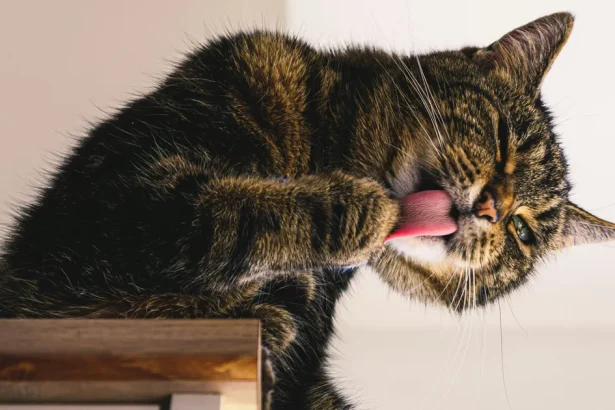
Behavioral manifestations of stress can also include changes in appetite or water intake, excessive grooming leading to bald patches, or a sudden disinterest in play. Inappropriate urination or defecation outside the litter box is a common stress-related behavior, often signaling territorial disputes or a perceived lack of safe, clean elimination options. Aggression, ranging from hissing and swatting to full-blown fights, is a clear sign of inter-cat tension and stress. It is vital to differentiate between playful roughhousing and genuine conflict, as consistent aggression indicates a serious need for stress reduction techniques for multi cat homes to restore peace and security for all residents. Recognizing these signs promptly allows owners to implement targeted strategies.
Strategic Environmental Enrichment
Environmental enrichment is a cornerstone of stress reduction in multi-cat homes, providing outlets for natural feline behaviors and minimizing boredom or frustration. Vertical space is particularly critical; cats are arboreal by nature and feel safer when they can observe their surroundings from an elevated position. Investing in tall cat trees, wall-mounted shelves, and window perches allows each cat to claim their own elevated territory, reducing competition for prime spots and offering escape routes from perceived threats. These vertical dimensions not only expand their usable living space but also cater to their instinctual need for security and exploration, significantly contributing to a calmer household.
Beyond verticality, offering a variety of hiding spots is equally important. Every cat needs safe havens where they can retreat and feel undisturbed, especially in a multi-cat setting. Cardboard boxes, cat caves, igloo beds, and even simply ensuring enough space under furniture provides these vital sanctuaries. Interactive toys, puzzle feeders, and regular play sessions also serve as crucial enrichment tools, stimulating their minds and bodies. Rotate toys frequently to maintain novelty and engage each cat individually, ensuring they all receive adequate attention and mental stimulation. These elements combine to create an environment where cats feel secure, engaged, and less prone to stress. For more detailed insights on feline enrichment, the ASPCA offers valuable resources on enhancing your cat’s life.
Optimizing Core Resource Allocation
One of the most common sources of stress and conflict in multi-cat homes stems from inadequate or poorly distributed resources. The “N+1” rule is a fundamental principle: always provide at least one more of each essential resource than the number of cats you have. This applies to litter boxes, food bowls, and water stations. For example, three cats should ideally have at least four litter boxes. These resources should be placed in multiple, easily accessible, yet separate locations throughout the home, preventing a single cat from monopolizing access and ensuring that subordinate cats can eat, drink, and eliminate without fear of ambush or territorial disputes. Clustered resources inevitably lead to tension.
Water sources are often overlooked. Many cats prefer fresh, moving water, so consider multiple water bowls or fountains placed in different rooms. Food bowls should also be spaced out, ideally in separate rooms or on different levels, to allow each cat to eat undisturbed. Elevated feeding stations can be particularly beneficial for older cats or those with mobility issues, and also serve to separate resources. Furthermore, ensure there are enough comfortable sleeping spots and scratching surfaces (both vertical and horizontal) for every cat, again following the N+1 rule and distributing them widely. When every cat feels they have ample, secure access to vital provisions, overall household stress dramatically decreases, leading to a more harmonious environment by 2026.
Harnessing Calming Scents and Pheromones
Scent plays a profound role in a cat’s world, influencing their emotional state and social interactions. Synthetic feline facial pheromones, such as those found in products like Feliway, can be incredibly effective stress reduction techniques for multi cat homes. These diffusers release a synthetic version of the pheromone cats deposit when they feel safe and secure, signaling to them that their environment is friendly and non-threatening. Placing diffusers in areas where cats spend the most time or where conflicts tend to occur can help create an overarching sense of calm and reduce tension between housemates. Consistent use over several weeks often yields noticeable improvements in feline behavior and inter-cat relationships.
Beyond synthetic pheromones, certain natural scents are believed to have calming effects on cats, though scientific evidence is less robust. Lavender, chamomile, and valerian root are sometimes used in very dilute forms or in specially designed pet products. However, extreme caution is advised; essential oils can be toxic to cats if ingested or absorbed through the skin. Always consult a veterinarian before introducing any new scent-based products, and ensure they are specifically formulated and deemed safe for felines. Scent swapping, gently rubbing a cloth on one cat’s cheek and then on another’s, can also help them become more accustomed to each other’s scent, fostering familiarity and potentially reducing anxiety in multi-cat settings.
Establishing Predictable Routines and Interactions
Cats thrive on predictability and routine; a consistent schedule provides a sense of security and control over their environment, significantly reducing stress. Establish regular feeding times, play sessions, and even quiet periods. Knowing when to expect resources and interaction helps cats feel safe and reduces anxiety surrounding potential competition. For example, feeding cats at the same time each day, in their designated, separated areas, can prevent food-related stress. Regular, scheduled playtime, especially with interactive wand toys, allows cats to burn off energy and satisfy their predatory instincts in a positive way, fostering individual bonds with owners.
Beyond daily routines, consistent and positive human interaction is vital. Dedicate individual attention to each cat daily, even if it’s just a few minutes of petting or quiet companionship. This reinforces their bond with you and reassures them of their place in the household, preventing feelings of neglect or favoritism that can exacerbate stress in a multi-cat scenario. Avoid sudden changes to the home environment or daily schedule whenever possible. If changes are unavoidable, introduce them gradually and pair them with positive reinforcement, such as treats or praise, to help your cats adapt more easily. The Cornell Feline Health Center offers further guidance on understanding feline behavior and promoting well-being.
Managing and Preventing Inter-Cat Conflict
Inter-cat conflict is a clear indicator of stress within a multi-cat home and requires prompt, strategic intervention. The first step is to identify the triggers: Is it resource guarding? Territorial disputes? Play gone wrong? Observe interactions closely but discreetly. Never punish cats for fighting, as this only increases their fear and anxiety, potentially worsening the aggression. Instead, interrupt conflicts with a loud clap or by gently tossing a soft pillow nearby to redirect their attention, then separate them into different rooms to cool down. Reintroduction should be slow and controlled, often starting with scent swapping and supervised, short periods together.
When to Seek Professional Help for Feline Conflict
While many inter-cat conflicts can be mitigated with environmental adjustments and routine changes, some situations warrant professional intervention. If aggression is severe, persistent, causes injury, or if a cat exhibits extreme fear or withdrawal, it’s time to consult a veterinary behaviorist or a certified feline behavior consultant. These experts can assess the specific dynamics of your household, identify underlying medical conditions contributing to aggression, and develop a tailored behavior modification plan. They may recommend medication in conjunction with behavioral strategies, especially in complex cases, to help manage anxiety and improve the chances of successful integration and harmony for all your feline companions by 2026.
Key Takeaways
- Recognize subtle stress signals like changes in posture, vocalization, appetite, or litter box habits.
- Provide ample vertical space, hideaways, and diverse toys to enrich the environment.
- Implement the “N+1” rule for all resources (litter boxes, food, water) and distribute them widely.
- Utilize synthetic feline pheromones and consider natural scents with caution to promote calmness.
- Establish and maintain predictable daily routines for feeding, play, and individual attention.
- Address inter-cat conflicts by identifying triggers, separating fighting cats, and never punishing them.
Frequently Asked Questions
How many litter boxes do I really need for multiple cats?
The general rule of thumb is N+1, meaning one more litter box than the number of cats you have. So, for three cats, you should ideally have at least four litter boxes. These should be placed in various, easily accessible, and private locations throughout your home, not all clustered together.
Can different cat personalities coexist peacefully?
Yes, different cat personalities can coexist peacefully, but it often requires careful management and strategic environmental setup. Providing ample resources, vertical space, and separate resting areas can help mitigate potential conflicts arising from differing social needs or territorial instincts. Patience and consistent positive reinforcement are key.
Are pheromone diffusers safe for all cats and other pets?
Pheromone diffusers, like Feliway, are generally considered safe for cats and typically do not affect other household pets or humans. They release a synthetic version of a species-specific pheromone, meaning it only impacts cats. Always ensure the product is used as directed and consult your vet if you have any concerns.
What if one cat is constantly bullying another?
If one cat is consistently bullying another, it indicates significant stress and a breakdown in social harmony. Immediately separate the cats to ensure the safety of the bullied cat. Then, re-evaluate your resource distribution, environmental enrichment, and routine. Consider a slow reintroduction process, and if the bullying persists, seek guidance from a veterinary behaviorist or certified feline behavior consultant.
How often should I play with my cats in a multi-cat home?
Aim for at least one to two dedicated play sessions per cat, per day, each lasting 10-15 minutes. Use interactive wand toys to simulate hunting and allow each cat individual attention. Scheduling these sessions consistently helps meet their predatory instincts and provides mental and physical stimulation, reducing boredom-induced stress.
Conclusion
Creating a low-stress environment in a multi-cat home is an ongoing process that requires keen observation, consistent effort, and a deep understanding of feline behavior. By proactively implementing stress reduction techniques for multi cat homes, focusing on environmental enrichment, strategic resource distribution, and maintaining predictable routines, you can significantly enhance the well-being and harmony of your feline family. Recognizing the subtle signs of stress and addressing inter-cat conflicts effectively are crucial steps toward fostering a peaceful coexistence. With these expert-backed strategies, you can ensure your multi-cat household remains a haven of comfort and joy for all its beloved residents, promoting a healthy and happy life for your cats well into 2026 and beyond.