
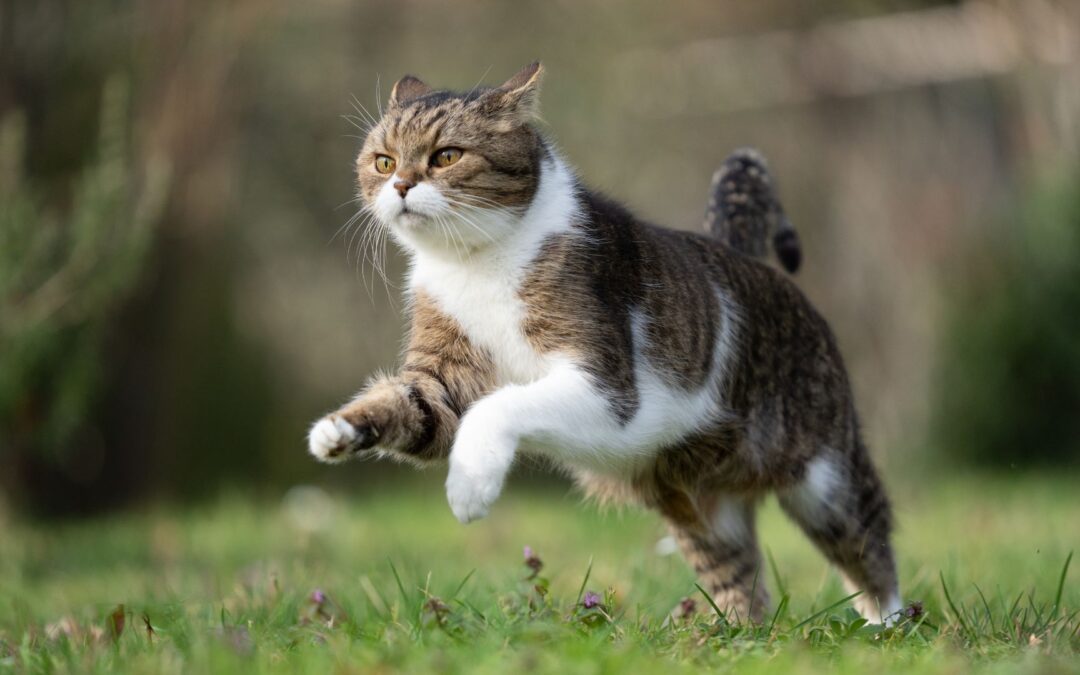
Providing creative indoor activities for energetic house cats is not merely a luxury but a fundamental necessity for their physical and mental well-being. Domestic felines, even those strictly indoors, retain strong instincts for hunting, exploring, and problem-solving. A lack of appropriate stimulation can lead to boredom, stress, and behavioral issues such as destructive scratching, excessive vocalization, or even aggression. As responsible pet guardians, our role is to curate an engaging home environment that mimics the challenges and rewards of the outdoors, ensuring our feline companions thrive. By understanding their natural drives and implementing thoughtful enrichment strategies, we can transform our homes into dynamic playgrounds that cater to their innate needs, promoting happiness and health for years to come.
Harnessing the Hunt Instinct with Interactive Play
Engaging your energetic house cat’s predatory instincts is paramount for their mental and physical health. Interactive play with wand toys, laser pointers (used responsibly and always ending with a tangible reward), or feather teasers mimics the hunt-capture-kill sequence crucial for feline satisfaction. Dedicate at least two 10-15 minute play sessions daily, ideally around dawn and dusk when cats are naturally most active. Vary the speed and trajectory of the toy, allowing your cat to stalk, pounce, and ultimately “catch” their prey. This not only burns off excess energy but also builds confidence and strengthens the bond between you and your pet.
Beyond structured play, consider incorporating automated toys that move unpredictably, stimulating your cat’s curiosity even when you’re occupied. Puzzle toys that dispense treats when manipulated encourage problem-solving and provide a rewarding “catch.” Remember to rotate toys regularly to prevent boredom and maintain novelty. Introducing new textures, sounds, and movements keeps your cat’s senses engaged and their hunting instincts sharp. This consistent stimulation is vital, especially for young, active cats who require constant outlets for their boundless energy.
Vertical Exploration and Perching Opportunities
Cats are natural climbers and observers, finding security and entertainment from elevated vantage points. Providing ample vertical space is a cornerstone of an enriched indoor environment. Cat trees, multi-level shelves, and window perches allow your feline friend to survey their territory, nap in peace, and engage in climbing exercises. These structures satisfy their instinct to ascend, offering both physical exertion and a sense of territorial ownership. Strategically placed perches near windows can also offer visual stimulation, allowing them to watch birds or passersby, which can be immensely entertaining for an indoor cat.
When selecting vertical structures, prioritize stability and varied textures. Carpeted cat trees, sisal scratching posts integrated into climbing towers, and wooden shelves with soft pads offer diverse tactile experiences. Consider creating a “cat highway” using wall-mounted shelves and bridges, allowing your cat to traverse rooms without touching the floor. This provides an expansive new dimension for exploration and exercise, vital for preventing boredom and promoting agility. Ensuring these spaces are accessible and appealing will encourage your cat to utilize them, turning your home into a dynamic, multi-dimensional playground.
Brain Games and Puzzle Feeders for Mental Agility
Mental stimulation is just as crucial as physical exercise for energetic house cats. Puzzle feeders and brain games challenge their cognitive abilities, encouraging them to think and problem-solve for rewards. Instead of simply placing food in a bowl, make mealtime an engaging activity. This not only slows down eating, which can aid digestion, but also taps into their natural foraging behaviors. Simple puzzle feeders can be purchased, or you can easily create your own with household items, offering a continuous stream of novelty.
DIY Puzzle Feeder Ideas
Crafting your own puzzle feeders is a cost-effective and creative way to engage your cat. Start with an empty toilet paper roll, folding in the ends after placing a few treats inside. For a more advanced challenge, take a plastic water bottle, cut a few small holes in the sides, and fill it with kibble. Your cat will need to bat the bottle around to release the food. Another idea involves using an egg carton; place treats in some of the cups and cover them with crumpled paper or small balls, forcing your cat to ‘dig’ for their reward. Always supervise initial use to ensure safety and prevent frustration.
Creating DIY Playgrounds and Forts
Transforming ordinary household items into temporary playgrounds can provide endless entertainment for an energetic cat. Cardboard boxes are universally appealing; cut different sized holes, stack them, or connect them to create tunnels and multi-room forts. These structures offer hiding spots, elevated surfaces, and new textures for exploration. The temporary nature of these DIY creations means you can frequently change the layout, keeping the environment fresh and exciting. This fosters a sense of adventure and discovery, tapping into their innate curiosity without the need for expensive toys.
Beyond cardboard, consider draping blankets or sheets over chairs and tables to create enticing “dens” or “caves.” These provide secure, enclosed spaces where cats can hide, stalk, and pounce. Incorporate crinkly paper, soft fabrics, or even a few catnip-infused toys within these forts to enhance sensory engagement. The beauty of DIY playgrounds is their adaptability; you can tailor them to your cat’s preferences and your home’s layout, offering a constantly evolving landscape for play and relaxation. These simple, creative setups are excellent for stimulating an active feline mind and body.
Sensory Engagement: Scent, Sound, and Visual Stimulation
Engaging all of a cat’s senses is vital for comprehensive enrichment. Scent enrichment can be achieved by rotating catnip-filled toys, introducing silvervine or valerian root, or even allowing them to safely investigate new scents from outside (e.g., a branch or leaf brought in). Scent exploration taps into their primary sense for understanding their world. For sound, consider playing calming music designed for cats, or even nature sounds. The subtle rustling of a crinkly tunnel or the jingle of a bell on a wand toy also adds auditory interest to their play sessions, making the experience more immersive.
Visual stimulation goes beyond just window watching. Consider providing a bird feeder outside a window to give them live “cat TV.” Interactive light projections that move like bugs or fish can also capture their attention, as long as these sessions end with a tangible toy to prevent frustration. Some cats enjoy watching specific videos designed for felines on a tablet or TV, featuring birds, mice, or fish. By strategically incorporating these diverse sensory elements into their daily routine, you can create a richer, more stimulating environment that keeps their active minds engaged and prevents boredom in 2026.
Training and Leash Walking for Enhanced Engagement
Training isn’t just for dogs; cats are highly intelligent and can learn a variety of tricks and commands. Clicker training, in particular, is an excellent way to provide mental stimulation and build confidence. Teaching simple commands like “sit,” “stay,” “come,” or even more complex tricks like “high five” or “fetch” can be incredibly rewarding for both cat and owner. These training sessions, even short ones, provide focused mental engagement that can tire out an energetic cat more effectively than just physical play alone. It also strengthens your bond and enhances communication.
For some energetic house cats, supervised outdoor exploration on a leash and harness can be a game-changer. It exposes them to a world of new sights, sounds, and smells, stimulating their senses in ways impossible indoors. Start with short sessions in a quiet, secure area, ensuring the harness fits properly and is comfortable. Not all cats will take to leash walking, but for those who do, it offers unparalleled enrichment and a safe way to satisfy their exploratory drives. Always consult with your veterinarian before starting outdoor adventures to ensure your cat is up-to-date on vaccinations and parasite prevention. You can find more information on safe outdoor exploration for cats at [Link to reputable veterinary site].
Key Takeaways
- Regular interactive play sessions are essential to satisfy a cat’s natural hunting instincts.
- Provide ample vertical space with cat trees and shelves for climbing and observation.
- Implement puzzle feeders and brain games to offer crucial mental stimulation.
- Utilize household items like cardboard boxes to create dynamic, temporary playgrounds.
- Engage all senses through varied scents, sounds, and visual stimuli.
- Consider training or leash walking for enhanced mental and physical engagement for appropriate cats.
Frequently Asked Questions
How often should I play with my energetic cat?
Energetic house cats benefit most from at least two dedicated play sessions per day, each lasting 10-15 minutes. These sessions should ideally occur around dawn and dusk, coinciding with their natural peak activity times. However, tailor the frequency and duration to your individual cat’s needs and energy levels.
What if my cat gets bored with their toys quickly?
Cats are easily bored by repetitive stimulation. To combat this, rotate their toys frequently, keeping a selection out while storing others. Introduce new textures, sounds, and types of toys regularly. You can also make old toys new again by infusing them with catnip or silvervine, or by simply presenting them in a novel way.
Are laser pointers bad for cats?
Laser pointers can be great for exercise, but they must be used responsibly. The primary concern is that a laser pointer never allows the cat to “catch” its prey, which can lead to frustration. Always end a laser pointer session by directing the beam onto a tangible toy or treat that the cat can physically pounce on and “kill,” fulfilling their hunting sequence.
My cat is destructive when I’m not home. What can I do?
Destructive behavior often stems from boredom or anxiety. Ensure your cat has plenty of enrichment options available when you’re away, such as puzzle feeders, automated toys, and vertical climbing structures. Consider providing a window perch with a view or a cat-safe video playing. If the behavior persists, consult a veterinary behaviorist to rule out underlying medical or anxiety issues.
How can I introduce new activities safely to my cat?
Introduce new activities gradually and positively. Allow your cat to explore new toys or structures at their own pace without forcing interaction. Use treats and praise to create positive associations. For more complex activities like harness training, start with very short sessions in a calm environment, building up gradually as your cat becomes comfortable. Patience and positive reinforcement are key for success in 2026 and beyond.
Conclusion
Creating an enriching indoor environment for energetic house cats is an ongoing, rewarding endeavor that significantly contributes to their overall health and happiness. By understanding and catering to their innate predatory, exploratory, and social instincts, we can prevent boredom, reduce stress, and mitigate undesirable behaviors. From interactive play and vertical exploration to brain games and sensory stimulation, a diverse array of activities ensures a well-rounded and engaging life. Prioritizing these creative indoor activities not only fosters a happier, healthier feline but also strengthens the unique bond shared between pet and guardian, proving that a fulfilled indoor life is indeed a vibrant one.