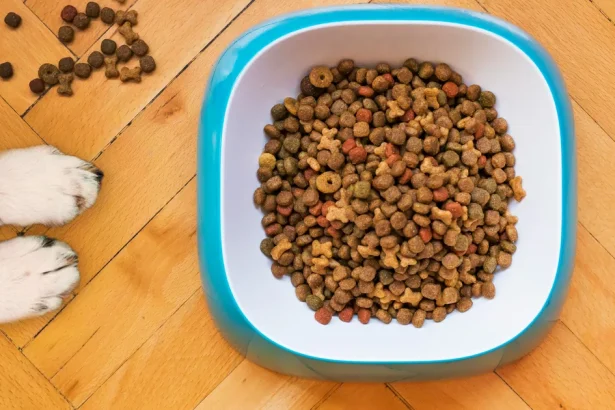

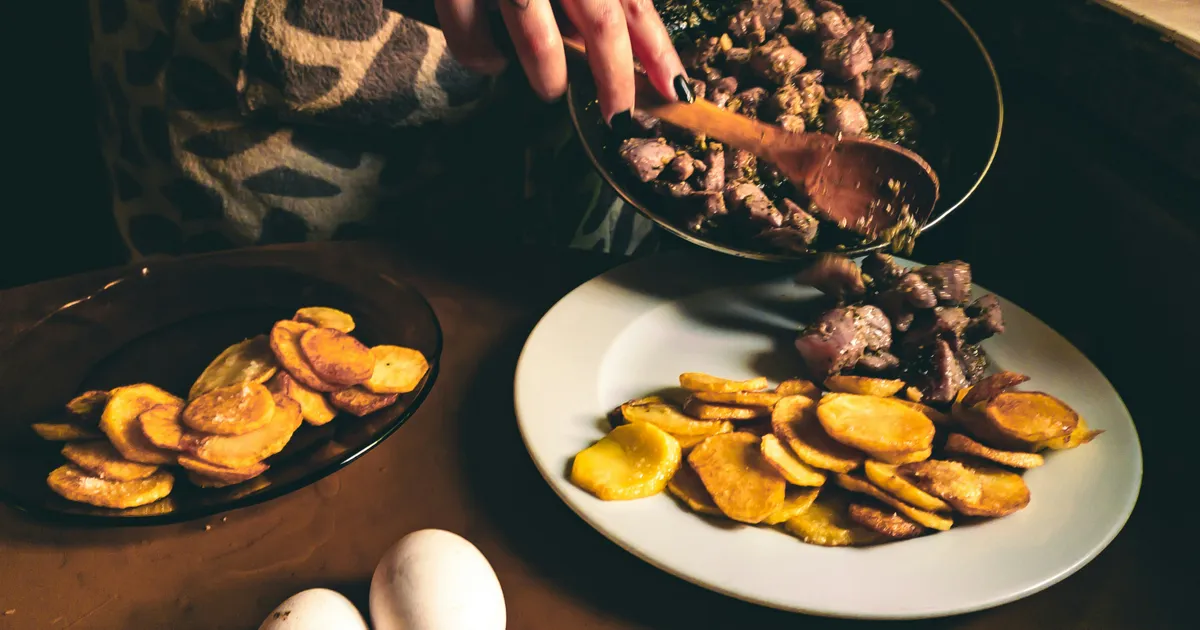
As our beloved canine companions enter their golden years, their nutritional needs undergo significant changes, making the provision of nutritious homemade meals suitable for senior dogs a paramount concern for discerning pet parents. A carefully formulated homemade diet can address age-related issues such as joint pain, decreased mobility, cognitive decline, and organ system changes, offering a personalized approach that commercial foods often cannot match. This expert guide delves into the science behind senior dog nutrition, providing practical advice and ingredient insights to help you craft meals that not only taste delicious but also support your aging dog’s health and vitality, ensuring they enjoy their twilight years with comfort and zest. Understanding the specific dietary requirements is the first step towards enhancing their quality of life.
Why Homemade Meals for Senior Dogs?
Opting for nutritious homemade meals suitable for senior dogs offers unparalleled control over the ingredients your pet consumes, a critical advantage for managing age-related health conditions. Unlike many commercial dog foods, which can contain fillers, artificial preservatives, and ingredients that may not be optimal for an aging digestive system, a homemade diet allows you to select fresh, whole foods. This personalization means you can precisely tailor the fat, protein, carbohydrate, and fiber content to meet your dog’s unique metabolic rate and specific health challenges, such as kidney disease or diabetes. Furthermore, the higher moisture content in fresh food can contribute to better hydration, which is essential for senior dogs often prone to dehydration.
Beyond ingredient control, preparing meals at home fosters a deeper connection with your pet and can significantly improve their mealtime enjoyment. Many senior dogs experience a decline in appetite or develop sensitivities to certain ingredients over time. A homemade diet allows for greater palatability through varied textures and fresh flavors, potentially stimulating a flagging appetite. It also enables easy adjustments for dental issues, offering softer textures when chewing becomes difficult. This hands-on approach ensures that every meal is not just food, but a carefully prepared act of love and care, directly contributing to their comfort and overall well-being during their senior years.
Essential Nutrients for Aging Canines
The nutritional landscape for senior dogs shifts considerably compared to their younger counterparts, necessitating a focused approach on specific macronutrients and micronutrients to maintain health and support organ function. High-quality, digestible protein is crucial for maintaining muscle mass, which naturally declines with age (sarcopenia). Lean sources like chicken breast, turkey, fish, and eggs are excellent choices. While protein is vital, the amount must be carefully balanced, especially for dogs with kidney issues, where a moderate, highly digestible protein intake is often recommended under veterinary guidance. Ensuring adequate protein helps preserve strength and mobility, countering the effects of aging.
Healthy fats, particularly omega-3 fatty acids, are indispensable for senior dogs, providing anti-inflammatory benefits that can significantly alleviate arthritis pain and support cognitive function. Sources such as fish oil, flaxseed oil, and certain nuts (in moderation and ground) are beneficial. Carbohydrates should come from easily digestible sources like sweet potatoes, brown rice, or oats, providing sustained energy without overloading the digestive system. Fiber, from vegetables like green beans, pumpkin, and carrots, is also essential for digestive health and regularity. A balanced intake of vitamins and minerals, often supplemented through a diverse range of fresh ingredients or a vet-approved supplement, supports immune function, bone health, and overall vitality, making a complete and balanced diet crucial for a healthy 2026.
Balancing Macronutrients for Optimal Health
Achieving the correct balance of macronutrients—proteins, fats, and carbohydrates—is critical when formulating nutritious homemade meals suitable for senior dogs. For most senior dogs without specific medical conditions requiring strict dietary restrictions, a general guideline often includes approximately 25-30% protein, 10-15% fat, and 50-60% carbohydrates and fiber on a dry matter basis. However, these percentages can vary significantly based on individual activity levels, breed, and health status. For instance, a very active senior might need slightly more fat for energy, while a dog with weight management needs might require lower fat and higher fiber. Consulting with a veterinary nutritionist is highly recommended to establish precise ratios tailored to your dog’s unique profile, ensuring all dietary needs are met comprehensively.
Addressing Common Senior Dog Ailments
Many senior dogs face health challenges that can be mitigated or managed through a thoughtful dietary approach. For joint health, often impacted by conditions like arthritis, ingredients rich in omega-3 fatty acids (e.g., salmon, sardines, fish oil) and natural anti-inflammatories like turmeric (in small, vet-approved quantities) can be incredibly beneficial. Glucosamine and chondroitin, often found in bone broth or specific supplements, also support cartilage health. For dogs with declining kidney function, a diet lower in phosphorus and moderate in high-quality protein can help reduce the workload on their kidneys, though this must be carefully managed under strict veterinary supervision to prevent muscle wasting.
Cognitive decline, similar to Alzheimer’s in humans, can be supported by antioxidants and medium-chain triglycerides (MCTs) found in coconut oil, which provide an alternative fuel source for the brain. For senior dogs struggling with weight management, whether gaining or losing, calorie-controlled meals with lean proteins and high-fiber vegetables can be adjusted. Dental health also benefits from softer, easily chewable foods, reducing discomfort and encouraging consumption. Always remember that dietary changes for specific ailments should be made in conjunction with your veterinarian, who can provide precise recommendations and monitor your dog’s response, ensuring a holistic approach to their care.
Safe and Unsafe Ingredients for Senior Dog Diets
When preparing nutritious homemade meals suitable for senior dogs, selecting safe and beneficial ingredients is paramount. Excellent protein sources include lean cooked chicken, turkey, beef, lamb, and various fish like salmon and cod, all without bones or excessive fat. Carbohydrates can come from cooked sweet potatoes, pumpkin, brown rice, oats, and quinoa. A wide array of vegetables such as green beans, carrots, peas, spinach, and broccoli (in moderation) provide essential vitamins, minerals, and fiber. Fruits like apples (without seeds), blueberries, and bananas offer antioxidants. Healthy fats can be introduced through fish oil, flaxseed oil, or a small amount of cooked egg yolk. Always ensure all ingredients are thoroughly cooked and cut into manageable, choke-proof pieces.
Equally important is knowing which ingredients to strictly avoid. Onions, garlic, chives, and leeks are toxic to dogs, regardless of the amount. Grapes and raisins can cause kidney failure. Chocolate, xylitol (a common artificial sweetener), avocado, macadamia nuts, and alcohol are also highly dangerous. Bones, especially cooked ones, can splinter and cause internal damage. Processed foods, excessive salt, and high-fat scraps should also be avoided as they can lead to pancreatitis or other digestive issues. When in doubt about an ingredient, it’s always safer to err on the side of caution and consult your veterinarian or a trusted resource like the American Kennel Club’s list of toxic foods before incorporating it into your senior dog’s diet.
Balancing Homemade Diets and Supplements
Creating a truly balanced homemade diet for senior dogs requires more than just mixing healthy ingredients; it demands a scientific understanding of nutritional requirements. While fresh ingredients provide a wealth of nutrients, it can be challenging to ensure every essential vitamin, mineral, and trace element is present in the correct proportions, especially over the long term. This is where the expertise of a board-certified veterinary nutritionist becomes invaluable. They can analyze your proposed recipes, identify any deficiencies or excesses, and recommend specific, vet-approved supplements to bridge nutritional gaps. These supplements might include a broad-spectrum multivitamin for dogs, calcium, phosphorus, or specific omega-3 fatty acid supplements, ensuring complete and balanced nutrition for your aging companion.
Relying solely on anecdotal recipes found online without professional guidance can lead to nutritional imbalances that, while not immediately apparent, can have detrimental effects on your senior dog’s health over time. For example, an imbalance in calcium and phosphorus can lead to skeletal issues, while prolonged deficiencies in certain vitamins can compromise immune function or organ health. Therefore, incorporating a high-quality, vet-recommended supplement regimen is often a critical component of any successful homemade diet plan for senior dogs. Regular blood work and health check-ups, ideally on an annual basis in 2026, will also help monitor your dog’s nutritional status and allow for timely adjustments to their diet and supplement protocol, ensuring their continued well-being.
Transitioning to a Homemade Diet Safely
Transitioning your senior dog to nutritious homemade meals should be a gradual process to prevent digestive upset and allow their system to adapt. Abrupt changes can lead to vomiting, diarrhea, or a refusal to eat. Start by replacing a small portion (e.g., 10-25%) of their current commercial food with the new homemade meal. Over the course of 7-10 days, slowly increase the proportion of homemade food while decreasing the commercial food. Observe your dog closely for any signs of digestive distress or changes in stool consistency. If any issues arise, slow down the transition or revert to a previous stage until their system stabilizes. Patience is key to a successful and comfortable transition, especially for sensitive senior digestive systems.
During the transition period, it is also important to monitor your dog’s appetite, energy levels, and overall demeanor. Some senior dogs may be more resistant to new foods due to established habits or a reduced sense of smell and taste. Introducing new ingredients gradually and varying textures can help maintain their interest. Ensure the homemade meals are served at a palatable temperature and are easy to chew and digest. Consulting with your veterinarian before and during the transition is highly recommended, as they can offer tailored advice based on your dog’s specific health profile and guide you through any challenges. They may also recommend specific digestive enzymes or probiotics to aid the transition process, ensuring a smooth dietary shift for your beloved senior companion.
Key Takeaways
- Personalized nutritious homemade meals offer superior control over ingredients, crucial for senior dog health.
- High-quality protein, healthy fats (omega-3s), and digestible carbs are essential for senior dog vitality.
- Dietary adjustments can help manage common senior ailments like arthritis, kidney issues, and cognitive decline.
- Strictly avoid toxic ingredients such as onions, garlic, grapes, chocolate, and xylitol.
- Veterinary nutritionist consultation and appropriate supplementation are vital for a truly balanced homemade diet.
- Transition to homemade meals gradually over 7-10 days to prevent digestive upset and ensure acceptance.
Frequently Asked Questions
Is it really safe to feed my senior dog homemade food without professional guidance?
While homemade meals can be beneficial, feeding your senior dog without professional veterinary nutritionist guidance carries risks. It’s challenging to ensure a complete and balanced diet that meets all their specific nutritional needs and avoids deficiencies or excesses, especially for senior dogs with existing health conditions. Always consult a vet or a board-certified veterinary nutritionist to formulate safe and balanced recipes.
How often should I feed my senior dog homemade meals?
The frequency of feeding senior dogs typically remains 2-3 times a day, similar to adult dogs, but portion sizes might need adjustment based on their activity level and metabolic rate. Smaller, more frequent meals can also aid digestion and prevent stomach upset in some older dogs. Your veterinarian can provide specific recommendations tailored to your dog’s individual needs.
What if my senior dog refuses to eat the homemade food?
If your senior dog refuses homemade food, first ensure there are no underlying health issues by consulting your vet. Then, try different protein sources, textures (e.g., softer, chunkier), and serving temperatures. You can also mix a small amount of the new food with their old food, gradually increasing the proportion. Sometimes, adding a vet-approved low-sodium broth can enhance palatability.
Can homemade diets help with my senior dog’s weight management?
Yes, homemade diets are excellent for weight management in senior dogs because you have precise control over calories, fat content, and fiber. For weight loss, you can focus on lean proteins and high-fiber, low-calorie vegetables. For weight gain, you can strategically increase healthy fats and calorie-dense, digestible ingredients. Always monitor their weight and adjust portions under veterinary guidance.
Are there any specific supplements I should always include in homemade senior dog meals?
While a general canine multivitamin and mineral supplement is often recommended to ensure complete nutrition in homemade diets, specific supplements like omega-3 fatty acids for joint and cognitive health, or glucosamine/chondroitin for arthritis, are frequently beneficial for senior dogs. However, the exact supplements and dosages should always be determined and approved by your veterinarian to avoid imbalances or adverse interactions.
Conclusion
Providing nutritious homemade meals suitable for senior dogs is a profound act of care that can significantly enhance their quality of life in their golden years. By carefully selecting ingredients, balancing essential nutrients, and addressing age-related health concerns through diet, you can offer your aging companion a personalized and highly beneficial nutritional regimen. Remember, the journey towards a successful homemade diet is best navigated with the professional guidance of a veterinarian or a veterinary nutritionist, ensuring that every meal is perfectly balanced and tailored to your dog’s unique needs. This commitment to their dietary well-being in 2026 will undoubtedly contribute to their comfort, vitality, and the cherished moments you share together.