
Establishing a complete daily hygiene routine for household canines is not merely about aesthetics; it is a fundamental pillar of their overall health, longevity, and quality of life. As responsible pet parents, understanding and implementing consistent grooming practices can prevent a myriad of health issues, from dental disease to skin infections, and even detect early signs of more serious conditions. This expert guide delves into the essential components of canine daily care, offering practical advice to help you maintain your dog’s well-being and strengthen the bond you share. By integrating these practices into your daily and weekly schedule, you ensure your beloved companion remains happy, healthy, and comfortable, thriving in their home environment.
The Foundation: Oral Hygiene
Dental care is arguably the most overlooked yet critical aspect of a complete daily hygiene routine for household canines. Just like humans, dogs accumulate plaque and tartar, which can lead to gum disease, painful infections, and even systemic health problems affecting the heart, kidneys, and liver. Brushing your dog’s teeth daily, or at least several times a week, is paramount. Use a dog-specific toothbrush and enzymatic toothpaste, never human toothpaste, which contains xylitol and fluoride that are toxic to dogs. Introducing this routine early in a dog’s life can make it a positive and manageable experience, fostering a lifetime of good oral health.
Beyond brushing, incorporating dental chews and toys designed to reduce plaque buildup can supplement your efforts, though they should not replace manual brushing. Regular professional dental cleanings by a veterinarian, typically under anesthesia, are also vital, especially for older dogs or those prone to severe dental issues. Consult your vet to determine the appropriate frequency for these cleanings, often recommended annually or bi-annually. Staying vigilant about your dog’s oral health in 2026 will significantly contribute to their overall vitality and prevent costly and painful dental interventions down the line.
Maintaining a Healthy Coat and Skin
A lustrous coat and healthy skin are clear indicators of a dog’s well-being, and regular grooming is essential to achieve this. Daily brushing, tailored to your dog’s coat type, removes loose fur, dirt, and debris, preventing mats and tangles, particularly in long-haired breeds. Brushing also stimulates natural skin oils, distributing them evenly across the coat for a healthy shine, and provides an excellent opportunity to check for fleas, ticks, lumps, or skin irritations. For shedding breeds, frequent brushing can dramatically reduce the amount of fur around your home and minimize hairballs.
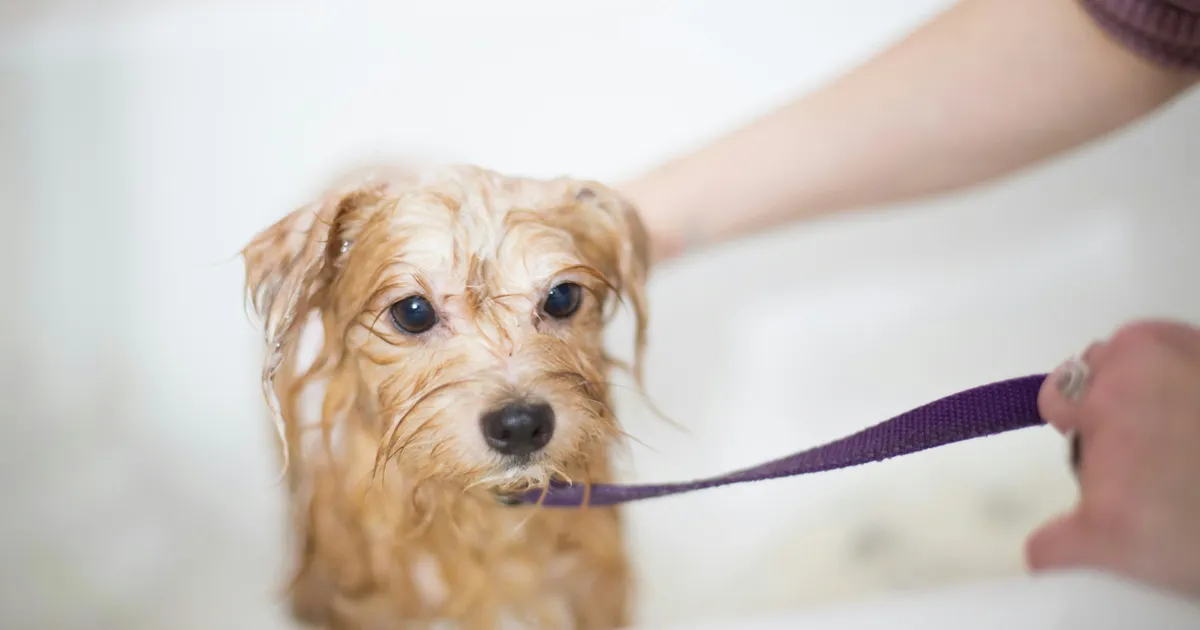
Bathing frequency depends on your dog’s activity level, coat type, and any skin conditions. Generally, bathing every 4-6 weeks is sufficient for most dogs, using a dog-specific shampoo that won’t strip their skin of essential oils. Over-bathing can lead to dry, itchy skin, while too little can result in unpleasant odors and skin issues. Always rinse thoroughly to prevent residue that can irritate the skin. For dogs with specific dermatological needs, your veterinarian may recommend medicated shampoos or a different bathing schedule to maintain optimal skin health.
Addressing Specific Coat Needs
Different coat types require varying levels of attention. Double-coated breeds like Huskies or Golden Retrievers benefit from de-shedding tools and professional grooming to manage their dense undercoats, especially during seasonal shedding in 2026. Short-haired breeds may require less frequent brushing but still benefit from regular wiping to remove loose hair and keep their coats shiny. Curly or wire-haired breeds often need professional clipping or hand-stripping to maintain their unique textures and prevent matting. Understanding your dog’s specific coat requirements is key to preventing discomfort and maintaining their skin barrier integrity.
Essential Ear Care Practices
Dog ears, particularly those that are floppy or heavily furred, can be breeding grounds for bacteria and yeast if not properly maintained. Regular ear cleaning is a crucial part of a complete daily hygiene routine for household canines, preventing painful infections and discomfort. Inspect your dog’s ears daily for any signs of redness, swelling, discharge, or foul odor. Healthy ears should be clean, pale pink, and free of debris. If you notice any concerning symptoms, consult your veterinarian promptly, as these could indicate an infection or the presence of ear mites.
To clean your dog’s ears, use a veterinarian-approved ear cleaner and cotton balls or gauze – avoid cotton swabs which can push debris further into the ear canal or damage delicate structures. Gently squirt the cleaner into the ear canal, massage the base of the ear for 20-30 seconds, and then allow your dog to shake their head. Wipe away any loosened debris from the outer ear flap with a cotton ball. The frequency of cleaning varies; some dogs may need weekly cleaning, while others only monthly. Breeds prone to ear infections, such as Cocker Spaniels, may require more diligent care, as detailed by resources like the American Kennel Club.
Paw and Nail Maintenance
Your dog’s paws are their primary interface with the world, enduring various terrains and temperatures. Regular paw care is essential for their comfort and mobility. This includes trimming nails, inspecting paw pads, and keeping the fur between their toes tidy. Overgrown nails can cause pain, alter gait, and lead to orthopedic problems or even ingrown nails. Aim to trim your dog’s nails every 2-4 weeks, or as needed, ensuring they do not click on the floor when your dog walks. If you’re unsure how to trim nails safely, ask your vet or a professional groomer for a demonstration.
Beyond nail trimming, inspect your dog’s paw pads for cuts, cracks, foreign objects (like thorns or pebbles), or excessive dryness. Paw balm can be used to moisturize dry pads, especially in harsh weather conditions. Regularly trim the hair between paw pads to prevent matting, which can collect debris, cause discomfort, and make walking difficult. This attention to paw health will ensure your dog remains comfortable and agile, ready for walks and playtime, contributing significantly to their overall well-being throughout 2026.
Eye and Facial Area Cleaning
Maintaining the cleanliness of your dog’s eyes and facial area is often overlooked but important, especially for breeds prone to tear staining or facial folds. Regular, gentle cleaning can prevent irritation, infection, and unsightly stains. For breeds with prominent eyes or those prone to tear stains (e.g., Maltese, Poodles), wiping the area daily with a damp, soft cloth or a veterinarian-approved eye cleaner can help prevent the accumulation of crust and discoloration. Always wipe away from the eye, using a fresh part of the cloth for each eye to prevent cross-contamination.
For brachycephalic breeds (flat-faced dogs like Pugs or Bulldogs) with facial folds, it’s crucial to keep these areas clean and dry to prevent dermatitis or yeast infections. Use a damp cloth or pet-safe wipe to gently clean inside the folds, ensuring they are thoroughly dried afterward. Moisture trapped in these folds creates an ideal environment for microbial growth. Early attention to these specific needs can mitigate potential health issues and ensure your dog remains comfortable and free from irritation around their delicate facial regions.
Regular Health Checks and Parasite Control
A truly complete daily hygiene routine for household canines extends beyond physical grooming to include regular health checks and diligent parasite prevention. Take a few moments each day to gently run your hands over your dog’s entire body, feeling for any new lumps, bumps, tender spots, or changes in skin texture. Observe their eyes, nose, and mouth for any unusual discharge or color changes. Pay attention to their eating and drinking habits, energy levels, and bowel movements, as these can be early indicators of underlying health issues. This daily ‘body scan’ empowers you to catch potential problems before they escalate.
Beyond these daily observations, maintaining a consistent parasite control regimen is non-negotiable. This includes year-round prevention for fleas, ticks, and internal parasites like heartworms and intestinal worms. Consult your veterinarian to determine the most appropriate and effective preventative medications for your dog based on their lifestyle, geographical location, and health status. Annual wellness visits to your vet, as recommended by the American Veterinary Medical Association, are also vital, ensuring professional oversight of their health and vaccinations. Proactive parasite control is a cornerstone of preventative health, safeguarding both your dog’s well-being and your household.
Key Takeaways
- Consistent daily oral hygiene, including brushing with dog-specific toothpaste, is vital for preventing dental disease.
- Regular brushing and appropriate bathing routines maintain coat health, prevent mats, and allow for skin inspection.
- Ear cleaning with vet-approved solutions prevents infections, especially for breeds prone to ear issues.
- Nail trimming every 2-4 weeks and paw pad inspection are crucial for mobility and comfort.
- Gentle daily cleaning of eyes and facial folds prevents irritation and infection, particularly in susceptible breeds.
- Daily body checks and year-round parasite prevention are essential components of preventative health care.
Frequently Asked Questions
How often should I brush my dog’s teeth?
Ideally, you should brush your dog’s teeth daily. If daily isn’t feasible, aim for at least three times a week to significantly reduce plaque and tartar buildup and maintain good oral health.
What type of brush is best for my dog’s coat?
The best brush depends on your dog’s coat type. Slicker brushes are great for removing loose hair and mats from most coats, pin brushes for longer coats, and rubber curry brushes for short-haired breeds to stimulate skin and remove loose fur.
Is it safe to clean my dog’s ears at home?
Yes, it is safe to clean your dog’s ears at home using vet-approved ear cleaner and cotton balls or gauze. However, if you notice signs of infection (redness, odor, discharge), consult your veterinarian before attempting to clean.
How can I make nail trimming less stressful for my dog?
Start nail trimming early in your dog’s life, associate it with positive reinforcement (treats, praise), and use sharp, appropriate clippers. Trim only the tip to avoid the quick, and if unsure, seek guidance from a vet or groomer.
What are the signs of a healthy dog?
A healthy dog typically has clear, bright eyes, clean ears, a shiny coat, healthy gums, good energy levels, a normal appetite, and consistent bowel movements. Regular observation allows you to quickly spot deviations from these norms.
Conclusion
Implementing a complete daily hygiene routine for household canines is an investment in their health, happiness, and your shared future. From diligent oral care and regular grooming to essential ear and paw maintenance, each component plays a vital role in preventing common ailments and ensuring your dog feels their best. Beyond the physical benefits, these routine interactions strengthen the bond between you and your pet, fostering trust and providing opportunities for early detection of potential health concerns. By committing to these practices, you are not just cleaning your dog; you are actively participating in their preventative healthcare, setting the stage for a long, vibrant, and joyful life together, well into 2026 and beyond.