

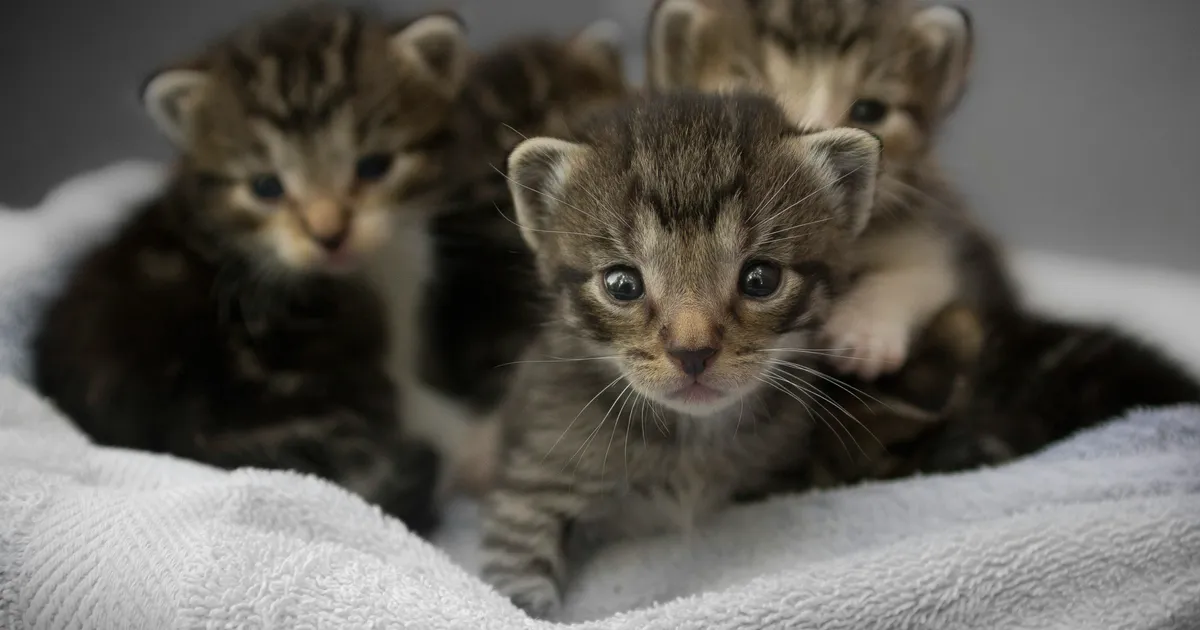
Mastering fast litter learning techniques for rescue kittens is a crucial step in ensuring their successful transition into a loving forever home. Unlike kittens raised in stable environments, rescue kittens often come with unique challenges, including past trauma, inconsistent care, or a lack of early socialization, which can impact their litter training progress. As professional content writers, we understand the importance of providing expert, actionable advice to help these vulnerable felines thrive. This guide will delve into proven strategies, emphasizing positive reinforcement, environmental optimization, and a deep understanding of feline behavior to accelerate the learning process and build confidence in both the kitten and their caregiver. Our goal is to equip you with the knowledge to make litter training a smooth and stress-free experience, setting the stage for a happy, healthy future for these deserving animals.
Understanding Rescue Kitten Challenges
Rescue kittens frequently present a distinct set of challenges when it comes to litter training, primarily stemming from their early life experiences. Many may have been found as strays, orphaned, or separated from their mothers too soon, missing out on crucial early lessons in hygiene and appropriate elimination taught by the queen. This lack of foundational guidance can manifest as confusion or anxiety around litter box use. Additionally, stress from their rescue, new environments, and unfamiliar people can significantly impact their ability to learn and adapt, making patience and a gentle approach paramount.
Moreover, some rescue kittens might have developed undesirable habits due to limited resources or inappropriate living conditions before their rescue. They might have been forced to eliminate in their living areas, leading to a learned association that needs to be carefully unlearned. Identifying any underlying health issues, such as urinary tract infections or parasites, is also critical, as these can cause accidents and aversion to the litter box. A comprehensive veterinary check-up should always precede intensive training efforts to rule out medical causes for inappropriate elimination, ensuring a healthy starting point for their education.
Setting Up the Optimal Litter Environment
Creating an appealing and accessible litter box setup is foundational to fast litter learning techniques for rescue kittens. Begin by selecting appropriate litter boxes; for very young or small kittens, shallow trays with low sides are essential to allow easy entry and exit. As they grow, you can transition to standard-sized boxes. The type of litter is equally important; unscented, clumping clay litter is generally preferred by most kittens and cats due to its texture and odor-neutralizing properties. Avoid scented litters, as strong perfumes can be off-putting to a kitten’s sensitive nose, potentially causing them to avoid the box altogether.
Strategic placement of litter boxes is another critical factor. Initially, place several litter boxes in quiet, easily accessible locations where the kitten spends most of its time, especially after waking up, eating, or playing. Avoid high-traffic areas, noisy appliances, or locations near their food and water bowls. The general rule of thumb is to have one litter box per cat, plus one extra, though for small kittens in a confined space, a few well-placed boxes will suffice. As the kitten becomes more reliable, you can gradually reduce the number of boxes and consolidate their placement, always ensuring a convenient option is available.
Positive Reinforcement and Gentle Guidance
Employing positive reinforcement is the cornerstone of effective and humane litter training for rescue kittens. Whenever a kitten uses the litter box appropriately, offer immediate praise, gentle petting, or a small, high-value treat. This creates a strong positive association with the act of using the litter box, encouraging them to repeat the desired behavior. Consistency is key; every successful elimination should be met with a reward to solidify the learning. Avoid any form of punishment for accidents, as scolding or physically moving a kitten to the box after an accident can induce fear and anxiety, making them more likely to hide and eliminate in secret.
Gentle guidance involves subtly directing the kitten without force. After meals, waking from naps, or periods of active play, gently place the kitten into the litter box. Allow them to explore the litter, sniff, and potentially dig. If they don’t go, simply remove them and try again a few minutes later. The goal is to provide opportunities for success rather than forcing an action. Over time, the kitten will begin to associate these cues with the need to use the litter box independently. Remember, patience is paramount, especially with rescue kittens who may require extra time to build trust and confidence in their new environment and caregivers.
Addressing Common Litter Training Challenges
Even with the best intentions, rescue kittens can present specific challenges during litter training. One common issue is litter aversion, where a kitten refuses to use the box despite its availability. This could be due to the litter type, box size, or even the cleanliness of the box. Experimenting with different unscented litter types (e.g., paper pellets, corn-based) and box styles can sometimes resolve this. Another challenge is stress-induced accidents, particularly in a new home. Providing a calm, consistent routine and a designated “safe space” can significantly reduce anxiety and improve litter box compliance. For persistent issues in 2026, consult with a feline behaviorist or your veterinarian to rule out complex behavioral or medical conditions.
Managing Litter Box Aversion
Litter box aversion can manifest in various ways, from consistently eliminating just outside the box to avoiding it entirely. To address this, first, ensure the litter box is impeccably clean; many cats are fastidious and will avoid a dirty box. Scoop at least twice daily and perform a full litter change and box scrub weekly. Consider the location: is it too public, too close to food, or too difficult to access? Trying a different type of litter box, such as an open pan versus a covered one, or vice-versa, can also make a difference. Sometimes, simply having multiple boxes in different locations can alleviate aversion, giving the kitten more choices and reducing perceived pressure to use a single spot. Patience and observation are key to identifying the specific trigger for aversion.
The Role of Diet and Hydration
The dietary choices and hydration levels for rescue kittens play an often-underestimated role in their litter training success. A high-quality, easily digestible kitten-specific diet contributes to healthier stool consistency, making elimination more predictable and less uncomfortable. Diets rich in fillers or with ingredients that upset a kitten’s delicate digestive system can lead to loose stools or constipation, both of which can result in accidents outside the litter box or an aversion to the box itself due to discomfort. Transitioning a kitten to a new diet should always be gradual to prevent gastrointestinal upset, which could derail litter training efforts.
Adequate hydration is equally vital. Kittens, especially those on a dry kibble diet, need consistent access to fresh, clean water. Dehydration can lead to concentrated urine and constipation, both of which can cause pain during elimination and potentially lead to urinary tract infections. Providing multiple water sources, such as ceramic bowls, stainless steel bowls, and even a kitten-friendly water fountain, can encourage increased water intake. Regular and healthy elimination patterns are a direct result of good diet and hydration, making it easier for kittens to learn and maintain appropriate litter box habits without discomfort or unexpected accidents. For more details on feline nutrition, resources like the ASPCA’s cat nutrition guide can be invaluable.
Consistency and Patience for Lasting Habits
Establishing consistent routines and demonstrating unwavering patience are perhaps the most critical elements for embedding fast litter learning techniques for rescue kittens into lasting habits. Kittens, particularly those with a history of instability, thrive on predictability. Maintaining a consistent feeding schedule, playtimes, and designated litter box checks helps them understand expectations and reduces anxiety. Regularly placing them in the litter box after key activities, such as waking up, eating, and playing, reinforces the desired behavior without confusion. This predictability builds trust and confidence, allowing them to relax and focus on learning their new skills.
Patience, above all, is non-negotiable. There will inevitably be accidents, setbacks, or moments when progress seems to halt. It’s crucial to approach these instances with understanding rather than frustration. Every kitten learns at its own pace, and rescue kittens often need extra time to overcome past experiences or adapt to their new environment. Continuing with positive reinforcement, cleaning accidents thoroughly with enzymatic cleaners to eliminate odors, and maintaining a calm demeanor will yield far better results than any form of punishment. Remember that successful litter training is a journey, and your consistent, patient guidance in 2026 will lead to a well-adjusted and happily litter-trained feline companion.
Key Takeaways
- Prioritize a calm, consistent environment to reduce stress in rescue kittens.
- Set up multiple shallow litter boxes with unscented, fine-grained litter in quiet, accessible areas.
- Utilize positive reinforcement exclusively, rewarding successful litter box use immediately with praise or treats.
- Avoid punishment for accidents; instead, clean thoroughly and redirect gently.
- Ensure a high-quality diet and constant access to fresh water to support healthy elimination.
- Be patient and consistent; every kitten learns at its own pace, especially those with challenging pasts.
Frequently Asked Questions
How many litter boxes do I need for a rescue kitten?
For a single rescue kitten, it’s generally recommended to start with at least two litter boxes, especially in a new environment. Place them in different, easily accessible, quiet locations. As the kitten grows and consistently uses one box, you can gradually reduce to one, but always consider having an extra box available if space permits.
What type of litter is best for a rescue kitten?
Unscented, fine-grained clumping clay litter is typically the best choice for rescue kittens. Its texture is natural and appealing to most cats, and the lack of scent prevents aversion. Avoid heavily scented litters or those with large, rough particles, as these can be uncomfortable or off-putting.
My rescue kitten keeps having accidents right next to the litter box. What should I do?
Accidents near the box often indicate an issue with the box itself or its location. Check if the box is clean enough, if the litter type is acceptable, or if the box is too small or difficult to enter. Consider moving the box to a more private spot or adding another box. Also, ensure there are no underlying medical issues by consulting a vet.
How long does it typically take for a rescue kitten to be fully litter trained?
The timeline varies greatly depending on the kitten’s age, past experiences, and individual temperament. Some kittens learn within a few days, while others may take several weeks or even a couple of months, especially if they have behavioral challenges or health issues. Consistency and patience are key.
Can I use a covered litter box for a rescue kitten?
While some cats prefer covered litter boxes for privacy, it’s generally best to start with an open litter box for rescue kittens. Covered boxes can trap odors, feel too confined, or be difficult for small kittens to navigate. Once the kitten is reliably using an open box, you can try transitioning to a covered one if desired, monitoring their reaction closely.
Conclusion
Successfully implementing fast litter learning techniques for rescue kittens is a rewarding endeavor that significantly impacts their well-being and adoptability. By understanding their unique needs, optimizing the litter environment, and employing consistent positive reinforcement, you provide these vulnerable animals with the tools they need to thrive. Patience, observation, and a proactive approach to potential challenges are paramount. Remember that every small victory contributes to building trust and confidence, paving the way for a well-adjusted feline companion. Your dedication to these crucial early training steps ensures a smoother transition into their forever homes, marking a positive beginning to their new lives as cherished family members in 2026 and beyond. For further support, consider resources from organizations like the Humane Society.