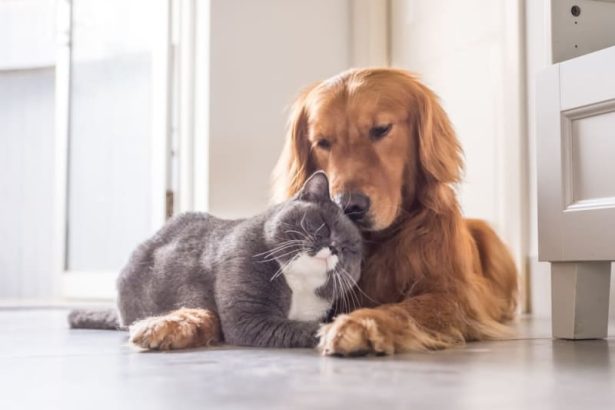

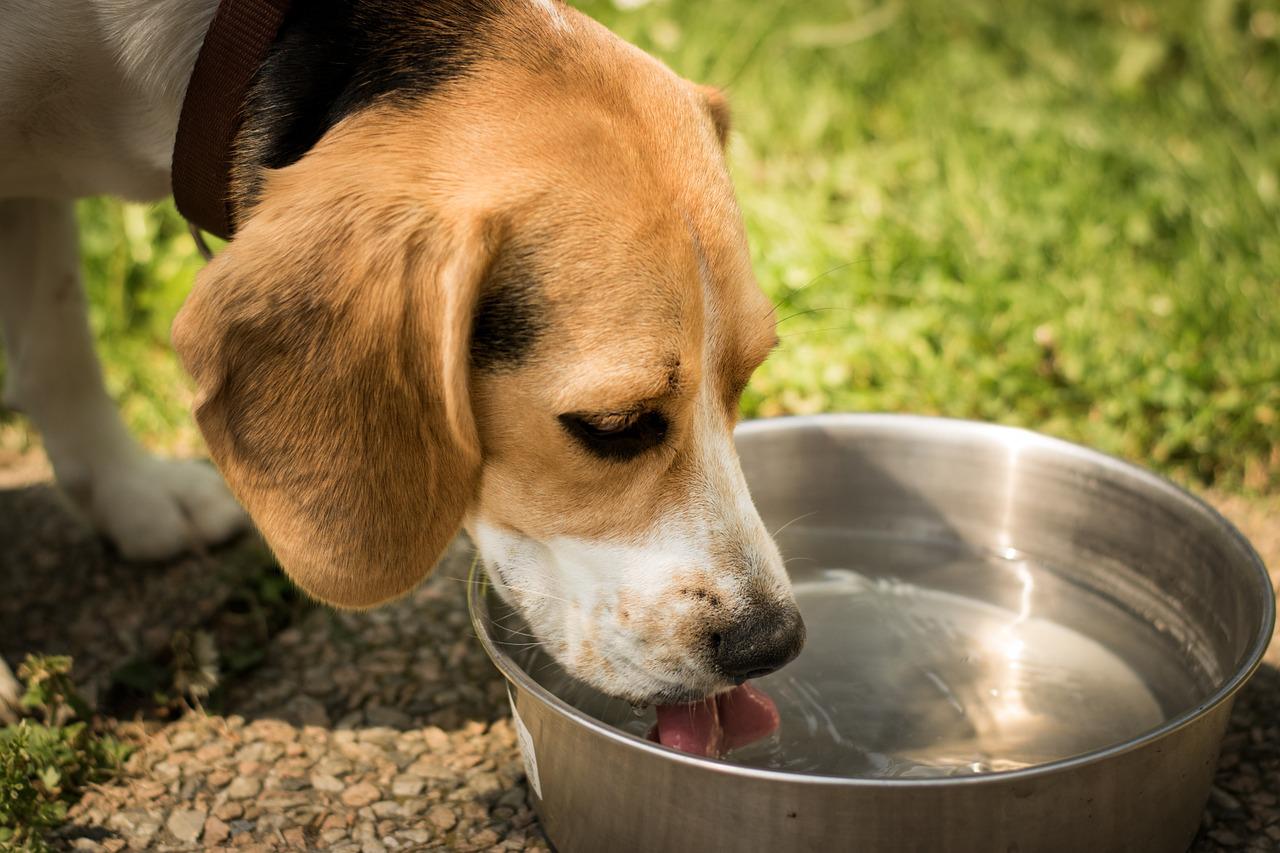
Summer dehydration protection methods for domestic animals are crucial in 2026, especially with rising temperatures. As a responsible pet owner, it’s essential to understand the risks associated with dehydration and take proactive steps to prevent it. Domestic animals, such as dogs, cats, and horses, are vulnerable to dehydration due to their limited ability to regulate body temperature. According to the American Animal Hospital Association, dehydration can lead to serious health issues, including organ failure and even death. Therefore, it’s vital to provide your pets with adequate shade, water, and electrolytes to maintain their overall health and well-being.
Causes of Dehydration
Dehydration in domestic animals can occur due to various factors, including excessive heat, humidity, and physical activity. When animals are exposed to high temperatures, they lose water and electrolytes through panting, sweating, and urination. If not addressed promptly, dehydration can lead to severe health complications, including heatstroke, kidney damage, and respiratory distress. The American Veterinary Medical Association recommends monitoring your pet’s behavior, appetite, and stool quality to detect early signs of dehydration.
- The Ultimate Family Emergency Evacuation Planning Guide Including Household Pets
- 10 Toxic Cleaning Products Dangerous Around Indoor Cats and Safe Alternatives
- The Ultimate Puppy Road Trip Checklist for a Safe and Comfortable Journey
- The Complete Household Hazard Prevention Guide for Pets: How to Pet-Proof Your Home
In addition to environmental factors, certain medical conditions, such as kidney disease, diabetes, and gastrointestinal disorders, can increase the risk of dehydration in domestic animals. It’s essential to work closely with your veterinarian to manage these conditions and prevent dehydration. Regular check-ups, vaccinations, and preventative care can help identify potential health issues before they become severe.
Signs of Dehydration
Recognizing the signs of dehydration in domestic animals is critical to providing timely and effective treatment. Common symptoms include excessive thirst, dark urine, decreased appetite, lethargy, and sunken eyes. In severe cases, dehydration can cause seizures, collapse, and even death. The ASPCA recommends checking your pet’s gums and skin elasticity to assess their hydration level. If you suspect dehydration, it’s essential to seek veterinary attention immediately.
Domestic animals may also exhibit behavioral changes, such as restlessness, panting, and pacing, when they are dehydrated. These signs can be subtle, so it’s crucial to monitor your pet’s behavior and physical condition closely, especially during hot summer months. By detecting dehydration early, you can prevent serious health complications and ensure your pet receives the necessary care.
Prevention Methods
Preventing dehydration in domestic animals requires a multi-faceted approach that includes providing adequate shade, water, and electrolytes. Ensure your pet has access to clean, fresh water at all times, and consider adding electrolyte-rich supplements to their food or water. The Pet Poison Helpline recommends using a pet-safe ice pack or cold compress to help lower your pet’s body temperature during hot summer days.
In addition to these measures, it’s essential to limit your pet’s physical activity during peak sun hours and provide regular breaks in shaded areas. You can also use cooling devices, such as fans or evaporative coolers, to reduce the temperature in your home or yard. By taking these precautions, you can significantly reduce the risk of dehydration in your domestic animals.
Electrolyte Supplements
Electrolyte supplements can play a crucial role in preventing dehydration in domestic animals. These supplements help replenish essential minerals, such as sodium, potassium, and chloride, which are lost through sweating and urination. When choosing an electrolyte supplement, it’s essential to consult with your veterinarian to determine the best product and dosage for your pet.
Treatment Options
Treating dehydration in domestic animals requires prompt and effective care. If you suspect dehydration, it’s essential to seek veterinary attention immediately. Your veterinarian may recommend intravenous fluid therapy, oral rehydration solutions, or other treatments to help replenish your pet’s fluids and electrolytes. The American Red Cross recommends providing small amounts of water or an oral rehydration solution to help rehydrate your pet while seeking veterinary care.
In severe cases of dehydration, hospitalization may be necessary to provide intensive care and monitoring. Your veterinarian may also recommend diagnostic tests, such as blood work and urinalysis, to determine the underlying cause of dehydration and develop an effective treatment plan. By working closely with your veterinarian, you can help your pet recover from dehydration and prevent future episodes.
Summer Care Tips
During the summer months, it’s essential to take extra precautions to protect your domestic animals from dehydration. Provide plenty of shade, water, and electrolytes, and limit your pet’s physical activity during peak sun hours. You can also use cooling devices, such as fans or evaporative coolers, to reduce the temperature in your home or yard. The Humane Society recommends checking on your pet frequently to ensure they are not showing signs of heat stress or dehydration.
Additionally, consider providing a pet-safe outdoor enclosure or kennel to protect your pet from the sun and heat. You can also use a thermometer to monitor the temperature in your pet’s living area and take steps to reduce it if necessary. By taking these precautions, you can help keep your pet safe and healthy during the summer months.
Key Takeaways
- Provide adequate shade, water, and electrolytes to prevent dehydration in domestic animals.
- Monitor your pet’s behavior, appetite, and stool quality to detect early signs of dehydration.
- Limit your pet’s physical activity during peak sun hours and provide regular breaks in shaded areas.
- Consider adding electrolyte-rich supplements to your pet’s food or water.
- Seek veterinary attention immediately if you suspect dehydration.
- Use cooling devices, such as fans or evaporative coolers, to reduce the temperature in your home or yard.
Frequently Asked Questions
What are the signs of dehydration in domestic animals?
Common signs of dehydration in domestic animals include excessive thirst, dark urine, decreased appetite, lethargy, and sunken eyes. In severe cases, dehydration can cause seizures, collapse, and even death.
How can I prevent dehydration in my pet?
Preventing dehydration in domestic animals requires a multi-faceted approach that includes providing adequate shade, water, and electrolytes. Ensure your pet has access to clean, fresh water at all times, and consider adding electrolyte-rich supplements to their food or water.
What is the best way to treat dehydration in domestic animals?
Treating dehydration in domestic animals requires prompt and effective care. If you suspect dehydration, it’s essential to seek veterinary attention immediately. Your veterinarian may recommend intravenous fluid therapy, oral rehydration solutions, or other treatments to help replenish your pet’s fluids and electrolytes.
Can I give my pet human electrolyte supplements?
No, it’s not recommended to give your pet human electrolyte supplements. These supplements may contain ingredients that are toxic to animals, and the dosage may be incorrect. Consult with your veterinarian to determine the best electrolyte supplement for your pet.
How often should I check on my pet during the summer months?
It’s essential to check on your pet frequently during the summer months to ensure they are not showing signs of heat stress or dehydration. Check on your pet at least every hour, and provide plenty of shade, water, and electrolytes to keep them safe and healthy.
Conclusion
In conclusion, summer dehydration protection methods for domestic animals are crucial to preventing serious health complications. By providing adequate shade, water, and electrolytes, and monitoring your pet’s behavior and physical condition closely, you can help keep your pet safe and healthy during the summer months. Remember to seek veterinary attention immediately if you suspect dehydration, and work closely with your veterinarian to develop an effective treatment plan. For more information on summer dehydration protection, visit the ASPCA website or consult with your veterinarian. As we move forward in 2026, it’s essential to prioritize our pets’ health and well-being, and take proactive steps to prevent dehydration and other heat-related illnesses.