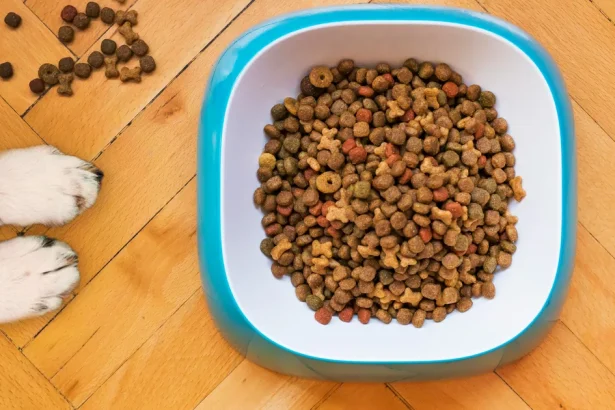

Crafting effective protein rich feeding plans for active puppies is paramount for their optimal growth, development, and sustained energy levels. Puppies, especially those with higher activity demands, require a meticulously balanced diet that supports rapid skeletal, muscular, and neurological development. An understanding of protein quality, quantity, and digestibility is critical, moving beyond generic feeding guidelines to tailor a nutritional strategy that addresses the unique metabolic needs of a developing, energetic canine. This approach ensures they receive the essential amino acids necessary for building strong tissues, developing a robust immune system, and fueling their boundless play and learning. Without adequate high-quality protein, active puppies can face challenges in muscle development, immune function, and overall vitality, making informed dietary choices a cornerstone of responsible pet ownership.
Understanding Puppy Protein Needs
The protein requirements for puppies significantly exceed those of adult dogs, primarily due to their rapid growth phase. During this crucial period, puppies are building new tissues at an accelerated rate, which demands a constant supply of amino acids, the building blocks of protein. An active puppy, engaging in frequent play, training, and exploration, further increases this demand, as protein is also vital for muscle repair and energy metabolism. The quality of protein is just as important as the quantity; highly digestible proteins with a complete amino acid profile are essential to ensure efficient utilization and minimize digestive strain. Without sufficient high-quality protein, puppies may experience stunted growth, poor muscle development, and compromised immune function, highlighting the necessity of a well-formulated diet.
Veterinary nutritionists often recommend puppy foods containing at least 28-32% crude protein on a dry matter basis for most growing puppies, though active breeds might benefit from slightly higher percentages depending on their specific energy expenditure. It is crucial to source protein from animal-based ingredients like chicken, beef, lamb, fish, or eggs, as these provide a superior amino acid profile compared to plant-based proteins alone. The correct balance of essential amino acids, particularly lysine, methionine, and tryptophan, is fundamental for healthy development. Owners should consult with their veterinarian to ascertain the precise protein needs for their puppy’s breed, size, and activity level, ensuring a personalized approach to their nutritional plan.
The Role of Essential Amino Acids
Essential amino acids are those that the puppy’s body cannot synthesize on its own and must be supplied through their diet. For canines, there are ten such amino acids, including arginine, histidine, isoleucine, leucine, lysine, methionine, phenylalanine, threonine, tryptophan, and valine. Each plays a distinct and vital role in physiological processes, from muscle synthesis and enzyme production to hormone regulation and immune function. Lysine, for instance, is crucial for growth and tissue repair, while methionine is involved in metabolism and the formation of cartilage. A deficiency in even one essential amino acid can significantly impair a puppy’s development and overall health, underscoring the importance of feeding a diet that provides a complete and balanced amino acid profile. High-quality animal proteins are naturally rich in these essential components, making them ideal for active puppies.
Sources of High-Quality Protein
Selecting appropriate protein sources is foundational to any effective feeding plan for active puppies. The best proteins are those that are highly digestible and offer a complete spectrum of essential amino acids. Premium animal-based proteins such as chicken meal, turkey meal, lamb meal, fish meal (like salmon or herring), and whole eggs are excellent choices. These ingredients are not only rich in protein but often contain beneficial fats, vitamins, and minerals that further support a puppy’s growth. When reviewing pet food labels, look for these ingredients listed prominently as the first few items, indicating their significant presence in the formulation. Avoid foods that rely heavily on plant-based proteins as the sole source, as they may lack certain essential amino acids critical for canine development.
Beyond commercial kibble, some owners opt to incorporate fresh, whole-food protein sources into their puppy’s diet, under veterinary guidance. Lean meats like boiled chicken or beef, cottage cheese, and plain yogurt can provide supplementary protein and variety. However, it is vital to ensure these additions do not unbalance the primary complete and balanced commercial diet. Overfeeding certain nutrients or creating deficiencies can be detrimental to a puppy’s health. For instance, too much calcium from dairy products can interfere with bone development if not balanced correctly. Always prioritize a nutritionally complete puppy food certified by organizations like AAFCO (Association of American Feed Control Officials) to guarantee foundational nutritional adequacy. AAFCO’s guidelines are crucial for ensuring pet food safety and nutritional standards.
Balancing Macronutrients for Growth
While protein is paramount, a truly effective feeding plan for active puppies must also meticulously balance all macronutrients: proteins, fats, and carbohydrates. Fats are an incredibly concentrated source of energy, providing more than twice the calories per gram compared to protein or carbohydrates. For active puppies, healthy fats, such as omega-3 and omega-6 fatty acids, are crucial not only for sustained energy but also for brain development, healthy skin and coat, and reducing inflammation. Sources like fish oil, flaxseed, and chicken fat are beneficial. A well-balanced puppy diet typically contains 15-25% fat on a dry matter basis, adjusted for the puppy’s activity level and breed-specific needs.
Carbohydrates, often misunderstood, play a vital role in providing readily available energy for an active puppy’s immediate needs, sparing protein for its primary function of tissue building and repair. Complex carbohydrates from sources like sweet potatoes, brown rice, and oats offer sustained energy release and provide dietary fiber, which supports healthy digestion. The ideal carbohydrate content for an active puppy’s diet ranges from 25-45%, depending on other macronutrient ratios and the puppy’s activity level. It is important to ensure that carbohydrates come from digestible, whole-food sources rather than fillers or excessive amounts of simple sugars. Achieving this delicate balance ensures that the puppy receives all necessary nutrients without excess or deficiency, supporting robust growth and boundless energy through 2026 and beyond.
Feeding Schedules and Portion Control
Establishing a consistent feeding schedule is fundamental for an active puppy’s digestive health and overall well-being. Puppies, especially those under six months, benefit from multiple smaller meals throughout the day rather than one or two large ones. This approach aids digestion, prevents overeating, and helps maintain steady blood sugar levels, which is crucial for their high metabolism. Typically, puppies aged 8-12 weeks should be fed three to four times a day, gradually reducing to two to three meals by six months, and eventually two meals daily as they approach adulthood. Consistency in feeding times also helps regulate bowel movements, making house-training easier and more predictable for owners. Always provide fresh, clean water alongside meals.
Portion control is equally critical to prevent both underfeeding and overfeeding, both of which can have negative consequences for a growing puppy. Overfeeding can lead to rapid growth, which is linked to orthopedic problems in certain breeds, and unnecessary weight gain, setting a precedent for obesity in adulthood. Underfeeding, conversely, can result in nutrient deficiencies, stunted growth, and lack of energy. Always follow the feeding guidelines provided on your chosen puppy food packaging as a starting point, but adjust based on your puppy’s individual activity level, metabolism, and body condition. Regularly assess your puppy’s weight and body condition score with the help of your veterinarian to fine-tune portion sizes. An active puppy might require slightly more calories than a sedentary one, but these adjustments should be made incrementally and thoughtfully, possibly by increasing meal frequency rather than individual meal size.
Monitoring Health and Adjusting Plans
Regular monitoring of your active puppy’s health and development is essential for ensuring their protein rich feeding plan remains effective. Pay close attention to their energy levels, coat condition, stool quality, and overall demeanor. A healthy, well-fed puppy should have bright eyes, a glossy coat, and consistent, well-formed stools. Any significant changes in these indicators could suggest that dietary adjustments are necessary. Weight gain or loss that deviates from healthy growth curves also warrants attention. Keep a growth chart and regular veterinary check-ups to track progress and identify any potential issues early. Your veterinarian can provide invaluable insights into your puppy’s specific needs and help interpret growth patterns.
As your active puppy matures, their nutritional requirements will naturally evolve. Their growth rate will slow, and their energy needs might shift. It’s important to transition from puppy food to adult dog food at the appropriate time, typically between 10-18 months of age, depending on breed size. Large and giant breeds often require a longer puppy food phase, sometimes up to 24 months, to support their extended growth period. The transition should be gradual, typically over 7-10 days, to avoid digestive upset. This continuous monitoring and adaptation ensure that your active puppy receives optimal nutrition throughout their developmental stages, preparing them for a healthy, active life well into 2026 and beyond. For more detailed information on canine growth, the American Kennel Club offers excellent resources.
Common Misconceptions in Puppy Nutrition
Several misconceptions can hinder owners from providing the best protein rich feeding plans for active puppies. One common myth is that more protein is always better. While puppies need high protein, excessive amounts, particularly from unbalanced sources, can place undue strain on their kidneys and liver, and potentially lead to other health issues. It’s not just the percentage of protein, but the quality and digestibility, along with the balance of other nutrients, that truly matters. Another misconception is that puppies need to grow as fast as possible. Rapid growth, especially in large and giant breeds, can actually contribute to orthopedic problems like hip and elbow dysplasia. A steady, moderate growth rate supported by balanced nutrition is far healthier than accelerated growth.
Another prevalent belief is that human food scraps are harmless additions to a puppy’s diet. While some human foods are safe in moderation, many are not, and feeding table scraps can lead to nutritional imbalances, obesity, or even toxicity (e.g., onions, garlic, chocolate). Sticking to a high-quality, complete, and balanced puppy food is generally the safest approach. Lastly, some owners believe that all puppy foods are created equal. In reality, there’s a significant difference in ingredient quality, nutrient profiles, and digestibility across brands. Always research and choose reputable brands that prioritize quality animal proteins and adhere to established nutritional standards. Consulting with a veterinary nutritionist can help dispel these myths and ensure your puppy’s diet is based on scientific evidence.
Key Takeaways
- Active puppies require high-quality, digestible protein for growth and energy.
- Look for animal-based proteins as the primary ingredients in puppy food.
- Balance protein with healthy fats and complex carbohydrates for complete nutrition.
- Implement a consistent feeding schedule with multiple small meals daily.
- Monitor your puppy’s health and adjust portions based on activity and growth.
- Avoid common nutritional myths; prioritize balanced, veterinarian-approved diets.
Frequently Asked Questions
How much protein does an active puppy really need?
Active puppies typically require a diet with at least 28-32% crude protein on a dry matter basis. However, the exact percentage can vary based on breed, size, and specific activity levels. It’s crucial that this protein comes from highly digestible, animal-based sources to ensure a complete amino acid profile for optimal growth and muscle development.
Can too much protein be harmful to a puppy?
While protein is essential, excessive amounts, especially from low-quality or unbalanced sources, can potentially strain a puppy’s kidneys and liver. More importantly, it’s the balance of all nutrients, not just protein quantity, that determines a diet’s healthfulness. Always aim for a balanced diet rather than simply maximizing protein content.
What are the best protein sources for an active puppy?
The best protein sources are highly digestible and provide all essential amino acids. Excellent examples include chicken meal, turkey meal, lamb meal, fish meal (like salmon or herring), and whole eggs. These should be listed prominently as primary ingredients in your chosen puppy food.
When should I switch my active puppy from puppy food to adult food?
The transition from puppy food to adult food typically occurs between 10 to 18 months of age, depending on the breed. Large and giant breeds often require puppy food for a longer duration, sometimes up to 24 months, to support their extended growth phases. Always consult your veterinarian for precise timing.
How can I tell if my puppy’s diet is meeting their needs?
Monitor your puppy’s energy levels, coat condition (should be glossy), stool quality (firm and well-formed), and overall body condition. Regular veterinary check-ups and tracking their growth curve are essential. Any significant deviations or concerns should prompt a discussion with your veterinarian.
Conclusion
Developing a protein rich feeding plan for active puppies is a nuanced yet rewarding endeavor that directly impacts their immediate health and long-term well-being. By prioritizing high-quality, digestible animal proteins, balancing them with appropriate fats and carbohydrates, and adhering to consistent feeding schedules, owners can lay a strong foundation for their puppy’s robust growth and sustained vitality. Continuous monitoring of their development and regular consultation with veterinary professionals are indispensable to adapt their diet as they mature. An informed approach to nutrition ensures that energetic puppies receive the precise fuel they need to thrive, develop strong bones and muscles, and maintain their playful spirit throughout their critical developmental stages and into a healthy future.