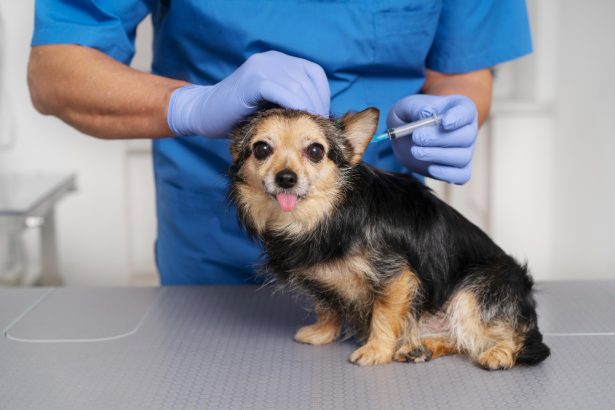


Recognizing warning symptoms linked with hidden pet infections is paramount for proactive pet healthcare, ensuring your beloved companion receives timely intervention and maintains a high quality of life. Many insidious ailments begin subtly, presenting with changes so minor they can be easily overlooked amidst the hustle of daily routines. These hidden threats, ranging from chronic inflammatory conditions to subclinical parasitic infestations, can silently erode your pet’s well-being over time. Understanding the nuanced signs, even those that appear unrelated to illness, empowers owners to act swiftly. This vigilance is especially crucial as our pets age, as their ability to communicate discomfort diminishes, making our observational skills their most vital diagnostic tool. By staying informed in 2026, you can safeguard your pet’s health against the unseen.
Subtle Behavioral Shifts
One of the most telling, yet often dismissed, indicators of an underlying infection in pets is a change in their typical behavior. This can manifest in numerous ways, including increased lethargy or a noticeable decrease in enthusiasm for activities they once cherished, like playing fetch or going for walks. Conversely, some pets might exhibit unusual restlessness or anxiety, pacing more frequently or seeking out secluded spots. Changes in appetite, whether a sudden disinterest in food or an increased, almost desperate, hunger, can also signal distress. Even alterations in their social interactions, such as becoming more withdrawn from family members or exhibiting uncharacteristic aggression, warrant close attention. These seemingly minor deviations from their norm are often the earliest whispers of an internal struggle.
- Protecting Your New Companion: The Ultimate Guide to Newborn Puppy Vaccination Timelines
- The Silent Epidemic: A Comprehensive Guide to Safe Obesity Prevention for Indoor Animals
- Adult Pet Wellness: Your Guide to Recommended Veterinary Checkup Frequency
- Boost Your Pet's Immunity: Top Nutrition Tips for Healthy Animals
Furthermore, consider shifts in their grooming habits. A pet that meticulously grooms itself might suddenly neglect its appearance, leading to a dull or matted coat. Conversely, excessive licking or chewing at specific body parts, especially paws or hindquarters, can indicate discomfort stemming from an infection that might be localized or systemic. Changes in sleep patterns are also significant; a pet that normally sleeps soundly might become restless or wake frequently, while others might sleep excessively. These behavioral cues, when viewed collectively and in the context of your pet’s individual personality, can provide invaluable insights into their health status and prompt a veterinary consultation before a condition escalates.
Changes in Appetite and Thirst
Alterations in a pet’s eating and drinking habits are universally recognized as significant health indicators, and this holds true for hidden infections. A sudden, unexplained decrease in appetite, particularly if it persists for more than a day or two, should never be ignored. This can be a sign of nausea, pain, or a general feeling of malaise that accompanies many infections. Pets might sniff their food, push it away, or eat only small amounts, indicating a lack of interest or an inability to comfortably consume their meals. This can lead to unintentional weight loss and a decline in overall energy levels, further compromising their immune system.
On the flip side, an unexplained increase in thirst (polydipsia) and subsequent increased urination (polyuria) can also be indicative of underlying issues, including certain types of infections that affect kidney function or hormonal balance. If your pet is constantly seeking water and needing to go outside more frequently than usual, it warrants a veterinary examination. This symptom can be linked to conditions like diabetes or kidney infections, which might not present with overt pain initially. Monitoring both the quantity of food consumed and water intake is a simple yet effective way to detect early signs of trouble in 2026 and beyond.
Digestive Upset and Elimination Irregularities
The gastrointestinal tract is a sensitive barometer of a pet’s overall health, and subtle digestive disturbances can be early warning signs of hidden infections. While overt vomiting or diarrhea are obvious indicators, less dramatic changes can also be significant. This includes infrequent instances of nausea, a decreased interest in treats, or changes in stool consistency that are not necessarily acute. For example, stools that are consistently softer than usual, or those with an unusual odor, might suggest a low-grade intestinal infection or parasitic presence that is not causing immediate alarm but is still impacting digestion.
Furthermore, irregular bowel movements can be a key indicator. This could involve a slight decrease in the frequency of defecation, or conversely, a slight increase, without any obvious signs of straining or distress. Similarly, urinary irregularities, such as a subtle increase in the frequency of urination or a change in urine color or odor, can point towards unnoticed urinary tract infections or kidney issues that are developing silently. Paying close attention to the frequency, consistency, and appearance of both feces and urine can provide crucial clues about your pet’s internal health, especially when these changes are persistent or occur in conjunction with other subtle symptoms.
Ocular and Nasal Discharge
While significant eye or nose discharge is easily noticeable, less apparent or chronic symptoms can still signal an underlying infection that requires attention. A mild, intermittent discharge from the eyes, often described as a slight crusting in the corners, can be a sign of conjunctivitis or other ocular infections that may not be causing significant pain or redness initially. Sometimes, this discharge might be clear and watery, but if it persists or becomes thicker and colored, it’s a clear indication of an inflammatory or infectious process at play.
Similarly, subtle nasal discharge, such as a slight dampness or occasional clear nasal snuffles, can be overlooked. Chronic low-grade sinusitis or early stages of respiratory infections might present with these mild symptoms. If your pet begins to sneeze more frequently than usual, or if you notice a faint, persistent odor from their nose, it’s worth investigating. These seemingly minor symptoms can be the first signs of a more significant respiratory or sinus infection that, if left untreated, could lead to more severe complications, impacting your pet’s breathing and overall comfort in 2026.
Changes in Coat and Skin
Your pet’s skin and coat are often the first line of defense against external pathogens, but internal infections can also manifest dermatologically. A dull, brittle, or unusually dry coat that lacks its usual sheen can indicate underlying health issues, including infections that affect nutrient absorption or cause systemic inflammation. You might also notice an increase in shedding beyond the normal seasonal changes. This lack of vitality in their fur can be a subtle but important signal that something is not right internally.
Subtle skin changes, such as mild itchiness that leads to occasional scratching or a slight increase in dandruff, can also be connected to hidden infections. These might not be accompanied by visible sores or redness initially, but persistent discomfort can lead to minor self-trauma. Some internal infections can trigger allergic-like responses in the skin, leading to mild irritation or increased sensitivity. A professional veterinary assessment is crucial to differentiate between simple skin allergies and symptoms linked to deeper, more serious infections.
Lethargy and Reduced Activity Levels
A general decline in energy and enthusiasm is perhaps one of the most common, yet often underestimated, signs of hidden pet infections. Pets, especially dogs, are known for their energetic natures and eagerness to engage in play and outdoor activities. When you observe a noticeable and persistent decrease in their willingness to participate in these routines, it’s a critical warning sign. This could include a reluctance to go for walks, a lack of interest in toys, or simply spending more time sleeping or resting than usual, even when they have ample opportunity for rest.
This pervasive lethargy can stem from a variety of internal issues, including chronic infections that drain their energy reserves. The body expends significant resources fighting off pathogens, which can leave pets feeling fatigued and unwell. It’s important to distinguish this from normal aging processes, though even senior pets should maintain a baseline level of activity. If your pet seems unusually tired, less responsive, or simply “off” in their demeanor, it’s a strong indicator that a veterinary check-up is in order to rule out any underlying infections that might be compromising their vitality and overall well-being.
Key Takeaways
- Subtle behavioral changes, like increased lethargy or restlessness, are early indicators of hidden infections.
- Monitor for unexpected shifts in appetite or increased thirst, as these can signal underlying health issues.
- Digestive irregularities such as mild nausea or changes in stool consistency warrant veterinary attention.
- Ocular and nasal discharge, even if minimal or intermittent, can be signs of developing infections.
- A dull coat or mild skin irritation may point to systemic issues or hidden infections.
- A persistent decrease in energy and reduced activity levels are crucial warning signs for potential infections.
Frequently Asked Questions
What are the most common hidden infections in pets?
The most common hidden infections in pets often include parasitic infestations like heartworm and intestinal worms, chronic urinary tract infections, subclinical dental infections, and certain tick-borne diseases such as Lyme disease or Ehrlichiosis, which can have long incubation periods and subtle initial symptoms. Fungal infections, especially in immunocompromised animals, can also develop insidiously.
How can I tell if my pet has a hidden infection versus just being tired?
Distinguishing between simple fatigue and a hidden infection requires careful observation of your pet’s overall demeanor and consistency of symptoms. If the lethargy is persistent, accompanied by other subtle changes like appetite fluctuations, minor digestive upset, or a lack of interest in usual activities, it’s more likely to be indicative of an underlying issue. A veterinarian can perform diagnostic tests to confirm or rule out an infection.
Should I be concerned if my pet is only exhibiting one subtle symptom?
Yes, even a single subtle symptom should raise a flag, especially if it’s a new or uncharacteristic behavior for your pet. While one symptom might be benign, it could also be the very first sign of a developing infection. It’s always better to err on the side of caution and consult with your veterinarian for a professional assessment, rather than waiting for multiple symptoms to appear.
Are some breeds more prone to hidden infections?
Certain breeds may be genetically predisposed to specific health conditions that can manifest as hidden infections. For example, some breeds are more prone to urinary tract issues, while others might have a higher risk of dental disease that can lead to chronic infections. Additionally, breeds with specific coat types or ear structures might be more susceptible to certain types of infections. However, any pet can develop a hidden infection regardless of breed.
How often should my pet have a veterinary check-up to catch these issues early?
For most adult pets, annual veterinary check-ups are recommended to catch potential health issues early. However, senior pets or those with known chronic conditions may benefit from more frequent examinations, typically every six months. These regular visits allow your veterinarian to perform a thorough physical examination, discuss any observed changes in your pet’s behavior or health, and conduct necessary diagnostic tests, such as blood work or urinalysis, to detect hidden infections.
Conclusion
Being attuned to the warning symptoms linked with hidden pet infections is a cornerstone of responsible pet ownership. The subtle shifts in behavior, appetite, digestion, and physical appearance discussed are not to be dismissed as minor quirks. They are vital communication signals from your pet that something is amiss internally. By maintaining a vigilant, observant approach and partnering with your veterinarian for regular check-ups and prompt consultations when concerns arise, you significantly enhance your ability to detect and treat these insidious conditions early. This proactive strategy is the most effective way to ensure your cherished companion enjoys a long, healthy, and comfortable life well into the future.