
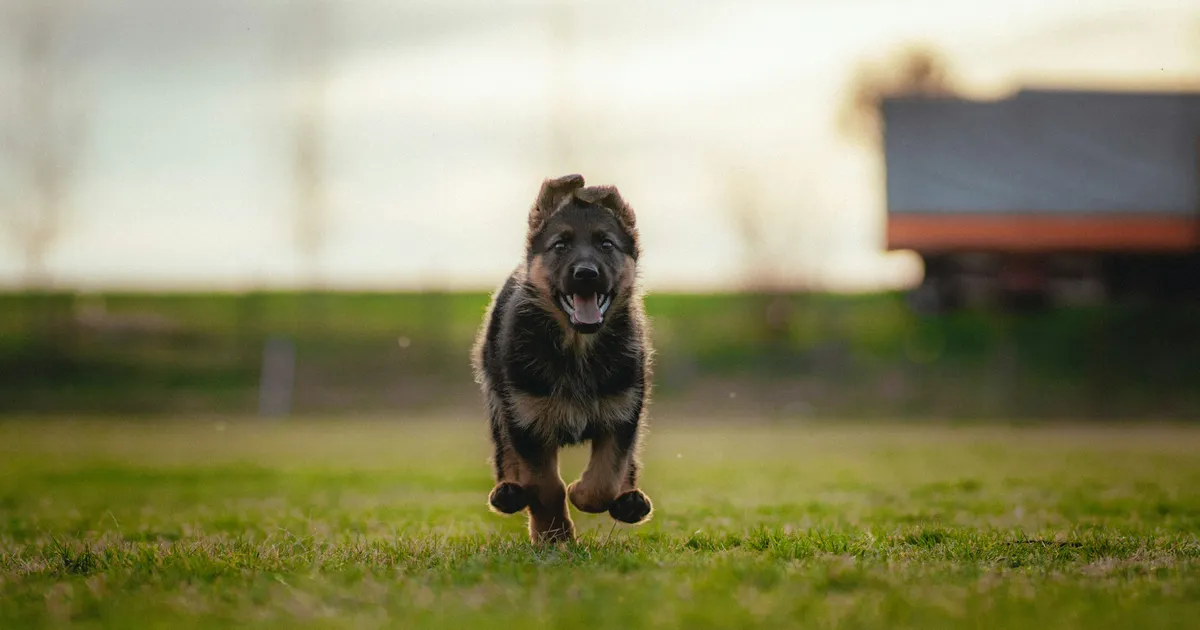
Embarking on the journey of training an energetic young puppy requires a thoughtful approach, especially when introducing beginner friendly commands for energetic young puppies. Early training is not just about teaching tricks; it’s about establishing clear communication, building a strong bond, and instilling good habits that will last a lifetime. For a puppy brimming with enthusiasm and boundless energy, the right commands can channel their exuberance into positive learning experiences, fostering focus and self-control. This guide will delve into essential commands tailored for high-energy pups, ensuring a foundation for a well-behaved and happy companion, setting both of you up for success well into 2026.
Establishing a Strong Foundation with “Sit”
The “Sit” command is often the first formal command taught and is invaluable for energetic puppies due to its inherent calming effect. When a puppy sits, their forward momentum is halted, requiring a moment of stillness that can be incredibly beneficial for impulse control. Begin training in a quiet environment, holding a treat near your puppy’s nose and slowly moving it upwards and slightly back over their head. As their nose follows the treat, their rear end will naturally lower to the ground. The moment their bottom touches the floor, say “Sit!” and immediately reward them with the treat and praise. Consistent, positive reinforcement is key to cementing this fundamental behavior, helping your puppy understand that sitting leads to desirable outcomes.
Practicing “Sit” in various locations and with increasing distractions will solidify your puppy’s understanding and reliability. For an energetic pup, incorporate short, frequent training sessions throughout the day rather than long, drawn-out ones. This keeps them engaged and prevents boredom, which can quickly lead to disinterest or misbehavior. Use “Sit” before meals, before going out for a walk, or when greeting people to teach them to pause and collect themselves. This command serves as a gateway to more complex behaviors and is an excellent tool for managing excitement and preventing jumping, making it a cornerstone of good puppy manners.
Mastering “Come” for Safety and Connection
The “Come” or “Recall” command is arguably one of the most critical commands for any dog, especially an energetic puppy prone to exploring. A reliable recall ensures your puppy’s safety in potentially dangerous situations, like an open gate or an approaching car, and strengthens the bond between you by reinforcing that returning to you is always rewarding. Start by practicing in a confined, distraction-free space. Get down to your puppy’s level, sound excited, and use their name followed by “Come!” as you back away from them. When they reach you, lavish them with enthusiastic praise, treats, and perhaps a quick game of tug or chase to make the experience incredibly positive.
For high-energy puppies, turning “Come” into a fun game can significantly boost their responsiveness. Try the “puppy ping-pong” game with another family member, where you take turns calling the puppy back and forth, rewarding them each time. Gradually introduce mild distractions, always setting your puppy up for success by ensuring they are likely to respond before increasing the challenge. Never use “Come” to scold your puppy or to end a fun activity abruptly, as this can create negative associations. Always make coming to you the best possible outcome, reinforcing their trust and ensuring they view your call as an invitation to something wonderful. For more detailed guidance on recall training, resources like the American Kennel Club’s guide on recall can be highly beneficial.
Building Impulse Control with “Stay”
Teaching an energetic puppy to “Stay” is a powerful exercise in impulse control and patience, both for the puppy and the trainer. This command teaches your puppy to remain in a specific position until released, which is crucial for safety in various scenarios, from waiting at a doorway to preventing them from darting after a squirrel. Begin with your puppy in a “Sit” or “Down” position. Say “Stay” clearly, hold up a flat hand as a visual cue, and take one small step back. If your puppy holds the position for even a second, immediately step back to them, reward, and release them with a cheerful “Okay!” or “Free!”.
Gradually increase the distance and duration of the “Stay” as your puppy consistently succeeds. For an energetic pup, short, successful repetitions are far more effective than long, frustrating ones. Make sure to always return to your puppy to reward them, rather than calling them to you, especially in the early stages. This reinforces that “Stay” means holding their position until you return. Practicing “Stay” before opening the front door or while you prepare their food teaches them to defer to your cues, helping them manage their excitement and energy in a constructive way. This command is a vital step towards developing a well-mannered and self-controlled companion.
The Crucial “Leave It” Command
The “Leave It” command is indispensable for preventing an energetic puppy from ingesting dangerous items, chewing on forbidden objects, or fixating on distractions. This command teaches your puppy to disengage from something tempting and shift their focus to you, a skill that can literally save their life. Start by placing a low-value treat on the floor and covering it with your hand. When your puppy tries to get the treat, say “Leave It!” As soon as they look away from your hand, even for a second, mark the behavior with “Yes!” or a clicker, and immediately reward them with a higher-value treat from your other hand. This teaches them that ignoring the tempting item leads to an even better reward.
Progressing “Leave It” Effectively
Once your puppy reliably ignores the covered treat, progress to placing the treat on the floor uncovered. Be ready to cover it again if they attempt to snatch it. As they learn, increase the duration they must ignore the item before receiving their reward. For an energetic puppy, this command is particularly challenging as their curiosity and drive to explore are strong. Practice “Leave It” with various items – toys, food, and eventually, things they might encounter outdoors like discarded trash. Always make sure the reward for “leaving it” is more appealing than the item they are being asked to ignore. This command empowers you to manage your puppy’s environment proactively and prevent unwanted behaviors before they escalate, fostering a safer interaction with their surroundings.
Teaching Relaxation with “Down”
The “Down” command is excellent for energetic puppies because it encourages a relaxed, settled position. It’s a more submissive and calming posture than “Sit” and can be used for extended periods, such as during quiet time or when guests are over. To teach “Down,” start with your puppy in a “Sit.” Hold a treat near their nose and slowly lower it towards the floor between their front paws, then drag it slightly forward, creating an L-shape motion. As your puppy stretches out to follow the treat and their elbows touch the ground, say “Down!” and reward them immediately. Consistency and clear body language from you are vital for their understanding.
For a high-energy puppy, practicing “Down” can help them learn to settle and conserve energy. Once they reliably lie down, begin to extend the duration of the “Down” before releasing them with an “Okay!” or “Free!”. Incorporate “Down” into situations where you want your puppy to be calm, such as during movie night or when you’re working at your desk. This command is also a prerequisite for many advanced behaviors and offers a fantastic way to manage an over-excited puppy, gently guiding them towards a more relaxed state. Ensuring short, successful sessions prevents frustration and keeps the training positive and engaging for your energetic companion.
Gaining Focus with “Look” or “Watch Me”
The “Look” or “Watch Me” command is a powerful tool for energetic puppies, teaching them to make eye contact and focus on you despite distractions. This command is foundational for all other training, as it establishes a crucial line of communication and attention. To teach it, hold a tasty treat near your eye or forehead. When your puppy looks at your face, even for a split second, say “Yes!” or “Watch Me!” and immediately give them the treat. The goal is to make looking at you incredibly rewarding, associating your face with positive outcomes.
For a puppy with a short attention span, keep initial sessions very brief and in a low-distraction environment. As they improve, gradually introduce more distractions, always ensuring you are the most interesting thing in the room. This command is invaluable during walks, when you need to redirect their attention from something undesirable, or when you simply want to check in with them. A puppy who can reliably “Watch Me” is a puppy who is engaged and ready to learn, making all subsequent training much smoother. Consistent practice of “Watch Me” will cultivate a puppy who is attentive and responsive to your cues, creating a harmonious partnership for years to come, long past 2026.
Key Takeaways
- Start with foundational commands like “Sit” to promote calmness and focus in energetic puppies.
- Prioritize “Come” (recall) for safety and to strengthen the bond through positive reinforcement.
- Utilize “Stay” to build essential impulse control and patience for your active pup.
- Implement “Leave It” to prevent ingestion of dangerous items and manage unwanted chewing behaviors.
- Teach “Down” to encourage relaxation and provide a settled position for energetic dogs.
- Develop “Look” or “Watch Me” to establish vital eye contact and attention amidst distractions.
- Always use positive reinforcement, short sessions, and consistency for effective training with high-energy puppies.
Frequently Asked Questions
What is the best age to start training an energetic puppy?
The ideal time to begin training an energetic puppy is as soon as they come home, typically around 8 weeks of age. Puppies are like sponges and are highly receptive to learning new things during this critical developmental period. Starting early establishes good habits and a strong foundation before unwanted behaviors have a chance to solidify, making training easier and more effective for both of you.
How long should training sessions be for a high-energy puppy?
For high-energy puppies, training sessions should be short, frequent, and engaging to match their attention span and energy levels. Aim for 5-10 minute sessions, 3-5 times a day. This approach prevents boredom and frustration, keeping the puppy enthusiastic about learning and maximizing their retention of commands without overwhelming them.
What if my energetic puppy gets too distracted during training?
If your energetic puppy gets easily distracted, it’s crucial to reduce environmental stimuli. Start training in a quiet, confined space with minimal distractions. Gradually introduce distractions as your puppy becomes more proficient, always setting them up for success. High-value treats and an enthusiastic tone can also help keep their focus on you, making you more interesting than the distractions.
Should I use treats or praise primarily for training?
For energetic puppies, a combination of high-value treats and enthusiastic praise works best in the initial stages of training. Treats provide a clear, immediate reward that captures their attention and motivates them. As your puppy becomes more consistent with commands, you can gradually transition to using less food and more praise, petting, or toy play as rewards, ensuring they remain motivated and engaged. For more on positive reinforcement, the ASPCA offers valuable insights.
My puppy gets overly excited and jumps when I try to train. How can I manage this?
Managing an overly excited, jumping puppy during training requires a focus on calmness. If your puppy jumps, calmly turn your back and ignore them until all four paws are on the floor. The moment they are calm, even for a second, reward them with praise and a low-key treat. Teaching “Sit” and “Down” extensively before engaging in more active commands can also help, as these commands inherently promote a more settled demeanor. Consistency in ignoring jumping behavior and rewarding calm attention is key.
Conclusion
Training an energetic young puppy is a rewarding endeavor that lays the groundwork for a well-behaved and joyous companion. By focusing on beginner friendly commands like “Sit,” “Come,” “Stay,” “Leave It,” “Down,” and “Watch Me,” you equip your puppy with the essential skills for navigating their world safely and confidently. Remember that consistency, patience, and positive reinforcement are your most powerful tools. Embrace the journey of discovery and learning together, fostering a strong bond built on mutual understanding and respect. With these foundational commands, your energetic pup will thrive, transforming their boundless energy into focused attention and making 2026 and beyond a happy and harmonious time for both of you.