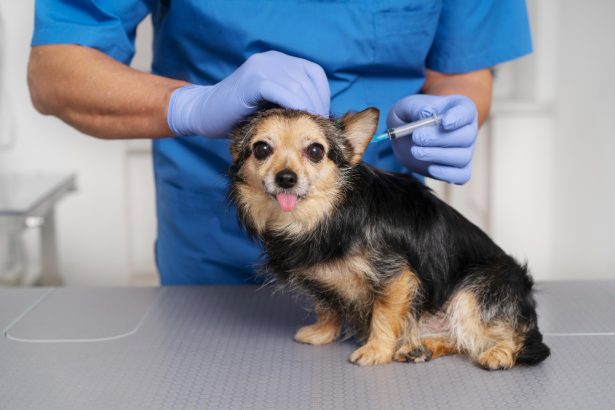


Establishing the recommended veterinary checkup frequency for adult pets is a cornerstone of proactive and preventative healthcare, ensuring your beloved companions live long, healthy, and fulfilling lives. While puppies and kittens require more frequent visits due to their rapid development and vaccination schedules, adult animals enter a phase where consistent monitoring by a veterinarian is crucial for early detection of potential health issues. These annual or semi-annual examinations allow for a thorough assessment of your pet’s overall well-being, from physical condition to behavioral changes, providing peace of mind and enabling timely interventions. By understanding the general guidelines and tailoring them to your specific pet’s needs, you can significantly contribute to their longevity and quality of life.
Annual Wellness Exams
The standard recommendation for most healthy adult pets, typically those between one and seven years of age, is an annual veterinary checkup. This comprehensive examination serves as a vital opportunity for your veterinarian to establish a baseline of your pet’s health. During this visit, the vet will perform a thorough physical assessment, including checking vital signs, palpating the abdomen and lymph nodes, examining the eyes, ears, and mouth, and listening to the heart and lungs. This routine allows for the early identification of subtle changes that might otherwise go unnoticed at home. It’s also the perfect time to discuss any concerns you may have about your pet’s behavior, diet, or activity levels, fostering a collaborative approach to their care.
Beyond the physical, the annual wellness exam is essential for maintaining up-to-date preventative care. This includes discussing the need for booster vaccinations, depending on your pet’s lifestyle and geographic location, as well as parasite prevention for fleas, ticks, and heartworms. Your veterinarian will also likely recommend diagnostic screening tests, such as blood work and urinalysis, particularly for older adult pets or those with pre-existing conditions. These tests can reveal underlying issues like organ dysfunction, metabolic disorders, or infections long before clinical signs become apparent, allowing for prompt treatment and improved outcomes. For instance, early detection of kidney disease in cats can significantly prolong their comfort and health.
Senior Pet Care Needs
As pets age, their healthcare needs evolve, necessitating more frequent veterinary visits. For senior pets, generally considered to be over seven years old, semi-annual checkups are highly recommended. This increased frequency allows veterinarians to monitor for age-related conditions such as arthritis, cognitive dysfunction, heart disease, and various forms of cancer. Early detection of these ailments is paramount, as interventions can greatly improve a senior pet’s quality of life and manage their symptoms more effectively. Regular examinations can also help in adjusting their diet and exercise regimen to meet their changing metabolic and physical requirements.
During these more frequent senior checkups, your veterinarian will pay close attention to changes in mobility, appetite, thirst, and behavior. Diagnostic tools become even more critical in this life stage. Blood tests and urinalysis can track kidney and liver function, monitor blood sugar levels for diabetes, and detect other internal abnormalities. Imaging techniques like X-rays or ultrasounds may also be employed to assess joint health or screen for tumors. The goal is to maintain comfort, manage pain, and extend the healthy years of your aging companion, ensuring they can continue to enjoy their golden years with dignity and happiness. By 2026, advancements in geriatric pet care will likely make these semi-annual visits even more impactful.
Tailoring the Schedule
While general guidelines exist, the optimal checkup frequency for your adult pet is not a one-size-fits-all approach. Several factors influence this decision, including your pet’s breed, age, overall health status, lifestyle, and any pre-existing medical conditions. For instance, certain breeds are predisposed to specific health issues; a large breed dog prone to orthopedic problems might benefit from more frequent orthopedic evaluations, while a breed known for cardiac issues might require more regular cardiac assessments. Similarly, a pet with a history of chronic illness, such as allergies or diabetes, will necessitate more frequent monitoring to manage their condition effectively and adjust treatment plans as needed.
Your veterinarian is your most valuable resource in determining the ideal checkup schedule. They will consider your pet’s individual risk factors and recommend a plan tailored to their unique needs. This might mean more frequent visits for pets with compromised immune systems, those living in areas with high parasite prevalence, or animals undergoing treatment for a specific ailment. Conversely, a very healthy, low-risk adult pet might comfortably adhere to a strict annual schedule. Open communication with your vet about any observed changes in your pet’s behavior or physical condition is crucial, as this can prompt an earlier visit outside of the regular schedule, ensuring prompt attention to potential concerns.
Diagnostic Screening Importance
Diagnostic screening tests are an indispensable component of routine veterinary checkups for adult pets, playing a critical role in preventive medicine. These tests, often including blood work (complete blood count and chemistry panel) and urinalysis, act as a window into your pet’s internal health. They can detect abnormalities in organ function, such as kidney or liver disease, identify metabolic imbalances like diabetes or thyroid issues, and reveal signs of infection or inflammation that are not outwardly visible. Early detection through these screenings allows for timely intervention, often before your pet shows any clinical signs of illness, which significantly improves the prognosis and reduces the severity of the condition.
The specific diagnostic screening recommended will vary based on your pet’s age, breed, lifestyle, and overall health. For younger adult pets, baseline blood work may be performed to establish normal values against which future results can be compared. As pets enter their senior years, these screenings become even more vital, helping to manage chronic conditions and monitor for the development of age-related diseases. For example, a routine urinalysis can detect early signs of urinary tract infections or kidney problems, while a chemistry panel can assess electrolyte balance and organ function. Discussing these screening options with your veterinarian ensures a personalized approach to safeguarding your pet’s long-term health.
Preventing Dental Disease
Dental health is a frequently overlooked but critically important aspect of a pet’s overall well-being, and regular veterinary checkups are key to preventing serious dental disease. Periodontal disease, which affects the gums and bone supporting the teeth, is incredibly common in adult dogs and cats and can lead to pain, tooth loss, and even systemic infections that affect vital organs like the heart, kidneys, and liver. During a veterinary exam, your veterinarian will perform an oral examination, assessing the teeth for plaque and tartar buildup, checking for gingivitis (gum inflammation), and looking for any signs of fractured teeth, oral masses, or other abnormalities.
Professional dental cleanings under anesthesia are often recommended as part of a preventative dental care plan, particularly for adult pets. While at-home dental care, such as brushing your pet’s teeth, is highly beneficial, it cannot entirely replace the thorough cleaning and examination that can only be performed by a veterinary professional. Anesthesia allows for a complete examination of the mouth, including under the gum line where significant disease can hide, and enables safe and effective scaling and polishing of the teeth. Your veterinarian will also advise on appropriate dental chews, diets, and home-care products to supplement professional cleanings and maintain oral hygiene between visits, helping to keep your pet comfortable and healthy into 2026 and beyond.
Behavioral and Nutritional Assessments
Beyond physical health, veterinary checkups provide a crucial platform for assessing your pet’s behavior and nutritional status. Changes in behavior, such as increased anxiety, aggression, lethargy, or changes in appetite and thirst, can be early indicators of underlying medical issues or stress. Your veterinarian can help differentiate between normal age-related changes and symptoms requiring further investigation. They can also offer guidance on behavioral modification techniques or refer you to a veterinary behaviorist if needed. This comprehensive approach ensures that both the physical and mental well-being of your pet are addressed.
Nutritional assessment is equally vital. Your veterinarian will discuss your pet’s current diet, feeding habits, and body condition score. They can provide expert advice on selecting the most appropriate food for your pet’s life stage, breed, and any specific health needs, such as allergies or weight management. Proper nutrition is fundamental to preventing obesity, a major contributor to numerous health problems including diabetes, arthritis, and heart disease. By ensuring your pet receives a balanced and appropriate diet, you are actively contributing to their long-term health and vitality, setting them up for a healthy future.
Key Takeaways
- Adult pets generally require annual veterinary checkups for preventative care and health monitoring.
- Senior pets (over seven years old) benefit from semi-annual checkups due to increased risk of age-related diseases.
- Factors like breed, lifestyle, and existing health conditions influence the ideal checkup frequency.
- Diagnostic screenings (blood work, urinalysis) are essential for early detection of internal health issues.
- Regular oral examinations and professional dental cleanings are vital for preventing dental disease.
- Veterinary visits also encompass crucial behavioral and nutritional assessments for overall well-being.
Frequently Asked Questions
How often should a healthy adult dog visit the vet?
A healthy adult dog, typically between one and seven years old, should have a veterinary checkup at least once a year. This annual visit allows for a thorough physical examination, necessary vaccinations, parasite prevention, and baseline diagnostic screenings. It’s also an opportunity to discuss any concerns you might have about your dog’s health or behavior.
What about cats? Is their checkup frequency different?
For healthy adult cats, the recommendation is generally the same as for dogs: an annual veterinary checkup. Cats are adept at hiding illness, making regular professional examinations crucial for early detection of health problems. Senior cats, however, should be seen semi-annually, just like senior dogs.
When does a pet officially become a “senior” requiring more frequent visits?
The definition of a “senior” pet can vary slightly by breed and species, but generally, pets are considered senior around seven years of age. Large breed dogs may be considered senior a bit earlier, while smaller breeds and cats might be considered senior later. Your veterinarian will advise you on when your specific pet enters this life stage.
What if my pet seems perfectly healthy? Do they still need regular checkups?
Yes, even if your pet appears perfectly healthy, regular veterinary checkups are essential. Many serious health conditions, such as kidney disease, heart murmurs, or early-stage cancers, do not show outward signs until they are quite advanced. These routine visits allow veterinarians to detect subtle changes and intervene early, significantly improving the chances of successful treatment and a better long-term outcome for your pet.
What are the benefits of semi-annual checkups for senior pets?
Semi-annual checkups for senior pets allow for more frequent monitoring of age-related conditions like arthritis, heart disease, kidney dysfunction, and cognitive decline. This increased frequency helps veterinarians catch problems earlier, manage pain more effectively, adjust medications and diets as needed, and maintain a better quality of life for your aging companion. It also provides more opportunities for diagnostic screenings to track internal health changes.
Conclusion
Prioritizing recommended veterinary checkup frequency for adult pets is an investment in their long-term health and happiness. By adhering to annual or semi-annual visits, especially as your pet ages, you empower your veterinarian to act proactively, detecting potential issues before they escalate. These routine examinations, coupled with open communication about your pet’s behavior and lifestyle, form the bedrock of comprehensive preventative care. Embracing these regular wellness checks ensures your cherished companion receives the best possible care, leading to a longer, healthier, and more vibrant life well into the future.