


Welcoming an adopted dog into your home is a rewarding experience, yet it often comes with the challenge of addressing past anxieties or the stress of a new environment. Understanding and implementing natural calming methods for nervous adopted dogs is crucial for their successful integration and long-term well-being. Many rescue dogs carry a history that can manifest as fear, separation anxiety, or general nervousness, making a gentle, holistic approach essential. This article will delve into effective, natural strategies designed to soothe your anxious canine companion, fostering a sense of security and trust without resorting to harsh interventions. By focusing on environmental enrichment, behavioral techniques, and nutritional support, you can help your new family member thrive and build a lasting bond.
Understanding Canine Anxiety in Adopted Dogs
Anxiety in adopted dogs is a widespread concern, often rooted in their unknown pasts or previous traumatic experiences. Many rescue animals have faced neglect, abandonment, or inconsistent care, leading to deep-seated fears that resurface in new settings. Even dogs from stable backgrounds can experience significant stress when transitioning to a new home, as the unfamiliar sights, sounds, and routines can be overwhelming. Recognizing the signs of anxiety is the first step toward effective intervention. These signs can range from subtle cues like excessive yawning, lip licking, or tail tucking, to more overt behaviors such as destructive chewing, house soiling, pacing, panting, or withdrawal.
It is vital for new owners to approach their adopted dog’s anxiety with immense patience and empathy. Rather than viewing anxious behaviors as defiance, understanding them as a cry for help or a coping mechanism is key. Observing your dog closely in various situations will help you identify specific triggers for their nervousness, whether it’s loud noises, strangers, being left alone, or certain objects. A comprehensive understanding of these triggers informs the development of targeted calming strategies. Remember that building trust takes time, and consistency in your responses and the environment you provide will be paramount in helping your dog overcome their fears and feel safe in their forever home by 2026.
Creating a Safe and Predictable Environment
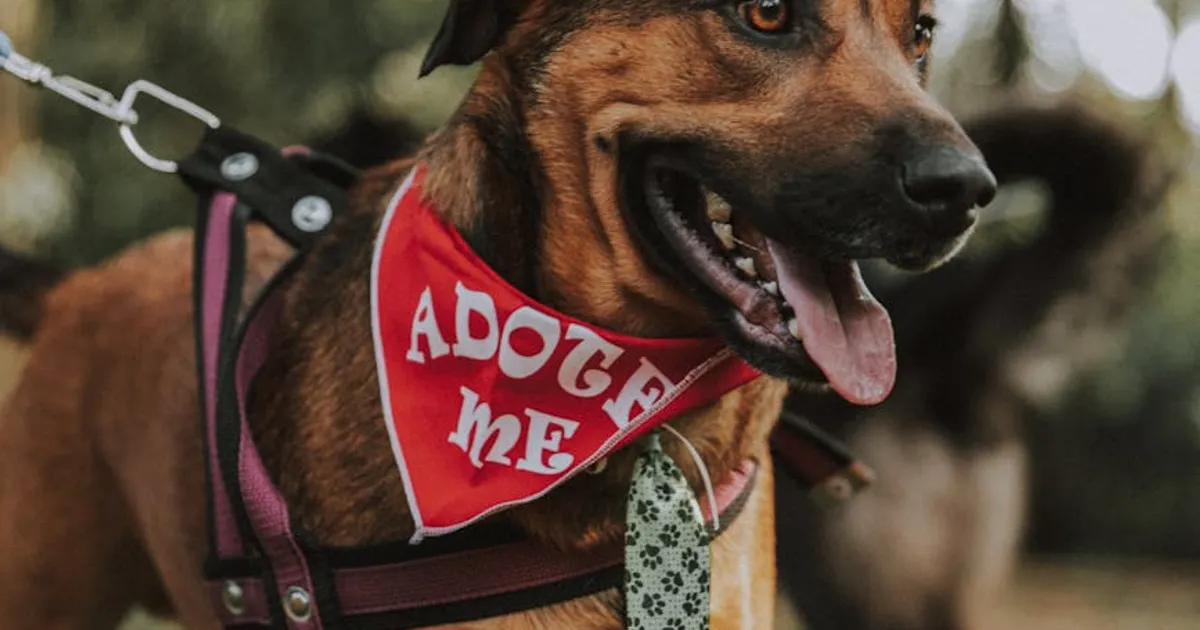
A cornerstone of natural calming methods for nervous adopted dogs is establishing a safe, predictable, and consistent home environment. Dogs thrive on routine, and an unpredictable schedule can exacerbate anxiety, especially for those with an unstable past. Designate a specific “safe space” for your dog, such as a crate, a cozy bed in a quiet corner, or a room where they can retreat when feeling overwhelmed. This space should be comfortable, secure, and always accessible, serving as their personal sanctuary. Introducing this safe haven positively, with treats and praise, will encourage them to view it as a place of comfort and security rather than punishment.
Establishing a consistent daily routine for feeding, walks, playtime, and potty breaks significantly reduces uncertainty and helps an anxious dog anticipate what comes next. This predictability provides a sense of control and stability, diminishing stress levels. Additionally, minimizing environmental stressors like loud noises, sudden movements, or frequent changes in furniture arrangement can make a profound difference. Consider using blackout curtains or sound-dampening materials if your dog is particularly sensitive to external stimuli. A calm and orderly home environment communicates safety and reliability, which are vital for a nervous adopted dog to begin relaxing and feeling truly at home.
Harnessing the Power of Scent and Sound
The senses of smell and hearing are incredibly powerful for dogs, and they can be effectively utilized as natural calming methods for nervous adopted dogs. Certain scents have a scientifically proven calming effect on canines. For instance, diffusion of pet-safe lavender or chamomile essential oils can help reduce anxiety. It is crucial to use only high-quality, therapeutic-grade oils specifically formulated for pets and always consult with a veterinarian before introducing them, ensuring they are diffused in a well-ventilated area and not applied directly to the dog’s skin or ingested. Placing a blanket or toy with your scent in their safe space can also provide comfort, as familiar smells are reassuring.
Sound also plays a significant role in a dog’s emotional state. Loud, sudden noises can trigger immense fear, especially in dogs with noise phobias. Counteracting this with calming auditory stimuli can be highly effective. Playing classical music, soft reggae, or specialized “dog music” designed to reduce canine stress can create a more serene atmosphere. White noise machines or fans can help mask startling external sounds, providing a consistent, soothing background hum. Introducing these sound therapies gradually and observing your dog’s reaction ensures they are perceived as comforting rather than intrusive, helping to transform their environment into a haven of tranquility.
Nutritional Support and Calming Supplements

A balanced and appropriate diet is fundamental to a dog’s overall health and can indirectly impact their emotional state. Ensuring your adopted dog receives high-quality nutrition, free from artificial additives, fillers, and excessive preservatives, can contribute to better brain function and a more stable mood. Some dogs may benefit from diets rich in Omega-3 fatty acids, found in fish oil, which are known for their anti-inflammatory properties and potential positive effects on cognitive function and mood regulation. Always discuss dietary changes with your veterinarian to ensure they are suitable for your dog’s specific needs and health profile.
Beyond basic nutrition, several natural supplements have shown promise as calming aids for nervous dogs. L-Theanine, an amino acid found in green tea, can promote relaxation without sedation. Tryptophan, another amino acid, is a precursor to serotonin, a neurotransmitter associated with feelings of well-being. Herbal remedies like valerian root, chamomile, and passionflower are also used, though their efficacy and safety should always be thoroughly discussed with a holistic veterinarian before administration. In recent years, CBD products specifically formulated for pets have gained traction, but their use requires careful consideration of dosage and product quality, under strict veterinary guidance. It’s important to remember that supplements work best as part of a comprehensive calming strategy, not as standalone solutions.
Effective Training and Behavioral Therapies
Positive reinforcement training is an incredibly powerful tool among natural calming methods for nervous adopted dogs. It builds confidence, strengthens the bond between dog and owner, and teaches desirable behaviors through rewarding good choices rather than punishing mistakes. Focus on teaching basic obedience commands like “sit,” “stay,” and “come” in a calm, low-stress environment. These commands provide structure and give your dog a sense of purpose, which can alleviate anxiety. Avoid any training methods that involve fear, intimidation, or physical correction, as these will only exacerbate an anxious dog’s distress and erode trust.
For specific fears or phobias, specialized behavioral therapies such as desensitization and counter-conditioning are invaluable. Desensitization involves gradually exposing your dog to their triggers at a very low intensity, ensuring they remain calm. Counter-conditioning pairs the trigger with something positive, like high-value treats or praise, to change the dog’s emotional response from fear to a more positive association. For example, if your dog fears car rides, start by rewarding them simply for being near the car, then for getting in, then for short stationary periods, gradually building up to actual short rides. Professional guidance from a certified dog trainer or a veterinary behaviorist is highly recommended for these advanced techniques, especially for severe anxiety. By 2026, more resources than ever will be available to help pet parents implement these strategies effectively.
Counter-Conditioning and Desensitization Techniques
Counter-conditioning and desensitization are two intertwined techniques vital for addressing specific fears and phobias in nervous adopted dogs. Counter-conditioning aims to change a dog’s emotional response to a trigger from negative (fear, anxiety) to positive (excitement, relaxation). This is achieved by pairing the feared stimulus with something the dog loves, such as delicious treats or a favorite toy. The key is to present the trigger at such a low intensity that the dog doesn’t react negatively, allowing the positive association to form. For instance, if your dog is afraid of strangers, you might have a stranger stand far away while you give your dog treats, gradually decreasing the distance over many sessions.
Desensitization works hand-in-hand with counter-conditioning by gradually exposing the dog to the feared stimulus, starting at a level where they show no signs of anxiety, and slowly increasing the intensity or proximity over time. The process must always be slow and controlled, ensuring the dog remains below their “threshold” of fear. If the dog shows any signs of anxiety, the session is ended, or the intensity is reduced. The goal is to build positive associations at each step, making the once-feared situation or object a neutral or even pleasant experience. Patience, consistency, and careful observation of your dog’s body language are paramount for success with these methods.
Physical Activity and Enrichment for Calmness
Appropriate physical activity is a powerful, natural calming method for nervous adopted dogs, helping to dissipate excess energy that might otherwise manifest as anxiety or destructive behaviors. The type and amount of exercise should be tailored to your dog’s breed, age, and health status. For some, a brisk walk or jog is ideal, while others might prefer mental challenges like scent work or agility. Regular exercise not only expends physical energy but also releases endorphins, which have mood-boosting effects. Consistent daily walks, even if short, provide routine and an opportunity for sensory exploration, which can be very stimulating and satisfying for a dog.
Mental enrichment is equally important in preventing boredom and reducing anxiety. Puzzle toys that dispense treats, snuffle mats for sniffing out kibble, and interactive games can engage your dog’s mind and provide a healthy outlet for their natural instincts. Chewing is another natural stress reliever for dogs; providing appropriate chew toys can redirect anxious chewing from furniture to acceptable items. Incorporating training sessions that require problem-solving also offers mental stimulation. A dog that is physically tired and mentally stimulated is generally a calmer, happier dog, less prone to nervous behaviors and more receptive to settling into their new home.
Key Takeaways
- Understand and patiently address the root causes of anxiety in adopted dogs, recognizing their past experiences.
- Establish a predictable daily routine and provide a designated, comfortable safe space to foster security.
- Utilize calming scents like pet-safe lavender and soothing sounds such as classical music to create a serene environment.
- Support your dog’s emotional health with a high-quality diet and consider veterinarian-approved natural supplements.
- Implement positive reinforcement training and specialized behavioral therapies like desensitization and counter-conditioning.
- Ensure adequate physical exercise and mental enrichment through puzzle toys and engaging activities to reduce stress.
Frequently Asked Questions
How long does it take for natural calming methods to work for an adopted dog?
The timeline for natural calming methods to show significant results can vary greatly depending on the individual dog, their past experiences, the severity of their anxiety, and the consistency of implementation. For some dogs, subtle improvements may be noticed within a few weeks, while others with deeply ingrained fears might require several months of consistent effort. Patience and persistence are key, as building trust and changing learned behaviors takes time. It’s a gradual process of building confidence and security.
Are essential oils truly safe for calming nervous dogs?
While certain essential oils like lavender and chamomile can have calming properties, it is absolutely critical to use them with extreme caution and under veterinary guidance. Many essential oils are toxic to dogs, and even pet-safe options must be diffused in well-ventilated areas, never applied directly to the dog’s skin, and never ingested. Always choose high-quality, therapeutic-grade oils specifically designed for pets and consult your veterinarian before introducing them to ensure safety and proper usage.
When should I seek professional help for my dog’s anxiety?
You should seek professional help if your dog’s anxiety is severe, persistent, negatively impacting their quality of life, or if natural methods alone are not yielding sufficient improvement. A certified professional dog trainer, a veterinary behaviorist, or your primary veterinarian can provide tailored strategies, diagnose underlying medical conditions, or recommend prescription medications if necessary. Early intervention with professional guidance can prevent anxiety from escalating.
Are these natural calming methods safe for all dogs?
Most of the methods discussed, such as creating a safe environment, establishing routines, positive reinforcement training, and appropriate exercise, are universally safe and beneficial for nearly all dogs. However, when considering supplements, dietary changes, or essential oils, it is imperative to consult with your veterinarian. Individual dogs can have allergies, sensitivities, or underlying health conditions that might make certain natural remedies unsuitable. Always prioritize your dog’s individual health needs.
What is the single most important thing to remember when trying to calm a nervous adopted dog?
The single most important thing to remember is patience. Adopted dogs often come with complex histories, and their journey to feeling secure and calm can be long and challenging. Avoid frustration, punitive actions, or expecting instant results. Instead, approach every interaction with empathy, consistency, and a commitment to building a strong, trusting relationship. Your unwavering support and understanding are the most powerful calming tools you possess.
Conclusion
Supporting a nervous adopted dog through their anxiety requires a multifaceted and patient approach, focusing on natural, gentle interventions. By understanding their unique needs, creating a predictable and safe environment, leveraging calming scents and sounds, and providing appropriate nutrition and enrichment, you lay a strong foundation for their emotional well-being. Positive reinforcement training and, when necessary, professional behavioral therapies further empower your dog to navigate their fears and build confidence. The journey to a calm and happy companion is one of commitment, consistency, and unwavering love. With these natural calming methods for nervous adopted dogs, you can transform your new family member’s life, helping them to thrive and enjoy a peaceful existence in their forever home long into 2026 and beyond.