
Welcoming a newborn puppy into the home is a milestone filled with excitement, but it also carries the significant responsibility of safeguarding a fragile immune system. During the first few weeks of life, a puppy’s health is largely dependent on the antibodies received from their mother’s milk. However, as this natural protection wanes, a structured vaccination protocol becomes the primary defense against life-threatening diseases. Understanding the nuances of this timeline is not just about following a schedule; it is about providing a foundation for a long, healthy life.
The Science of Early Immunity: Why Timing is Everything
When puppies are born, they are not immediately capable of producing their own antibodies. Instead, they rely on colostrum, the nutrient-dense first milk produced by the mother, which provides maternal antibodies. This passive immunity acts as a temporary shield against environmental pathogens.
The challenge for veterinarians and pet owners lies in the “window of susceptibility.” If a vaccine is administered too early, the mother’s antibodies may neutralize it, rendering the shot ineffective. If administered too late, the puppy is left vulnerable as the maternal protection fades. Veterinary experts typically recommend starting the core series between 6 and 8 weeks of age to balance these factors effectively. This strategic approach ensures that as the puppy’s own immune system matures, the vaccines can begin to stimulate long-term memory cells.
Core vs. Non-Core Vaccines: Categorizing Puppy Health
Not all vaccines are created equal. The veterinary community distinguishes between Core Vaccines, which are recommended for all dogs regardless of lifestyle, and Non-Core Vaccines, which are administered based on specific environmental risks.
Core Vaccines (The Essentials)
These protect against highly contagious and often fatal diseases. They are considered mandatory by health organizations like the American Animal Hospital Association (AAHA).
- Canine Distemper: A viral disease affecting the respiratory, gastrointestinal, and nervous systems.
- Parvovirus: A highly resilient virus that causes severe vomiting and bloody diarrhea, often leading to rapid dehydration.
- Canine Hepatitis: An acute liver infection caused by adenovirus type 1.
- Rabies: A fatal zoonotic disease that is legally required in most jurisdictions.
Non-Core Vaccines (Lifestyle-Dependent)
These are recommended based on where a puppy lives and their expected activities (e.g., boarding, hiking, or living in tick-prone areas).
- Bordetella (Kennel Cough): Essential for puppies attending daycare or training classes.
- Leptospirosis: Recommended for dogs exposed to wildlife or standing water.
- Lyme Disease: Necessary in regions with high tick populations.
- Canine Influenza: Often required for social dogs during regional outbreaks.
The Standard Vaccination Timeline: 6 to 16 Weeks
The following schedule represents the standard gold-level care recommended by veterinary professionals to ensure maximum coverage during the puppy’s developmental stages.
Phase 1: 6 to 8 Weeks
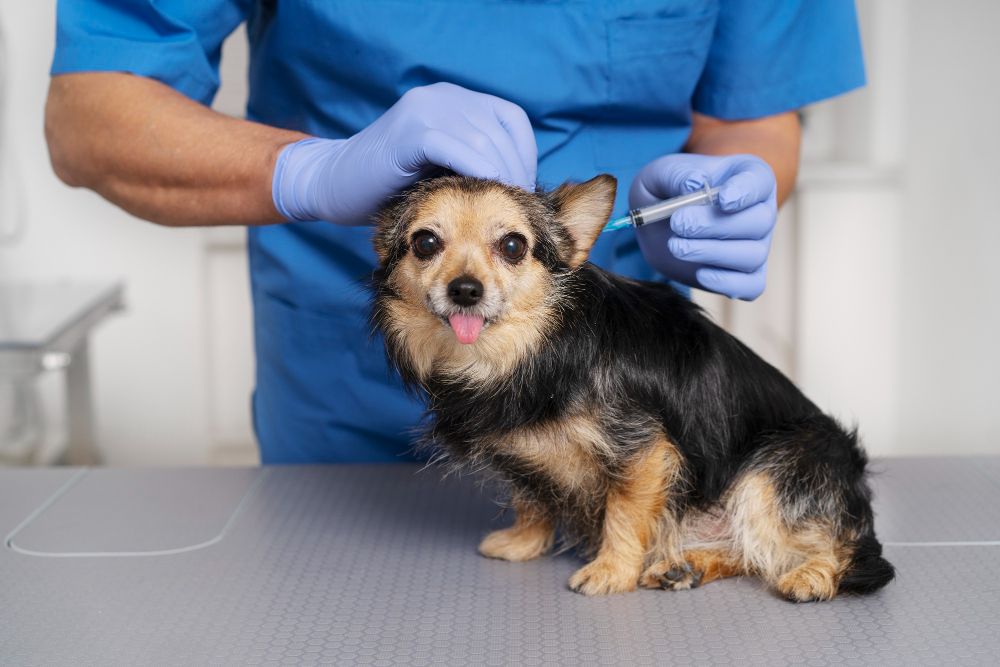
The first visit focuses on the “Distemper combo” (DHPP). At this age, the puppy’s immune system is just beginning to take over from maternal antibodies. This initial dose primes the system. Veterinarians may also discuss the Bordetella vaccine if the puppy will be in high-contact environments early on.
Phase 2: 10 to 12 Weeks
This is a critical booster period. The DHPP vaccine is repeated to ensure the immune system responds as maternal antibodies drop further. During this window, non-core vaccines like Leptospirosis or Lyme may be introduced if the puppy’s lifestyle warrants it. It is vital to maintain the interval between shots—usually 3 to 4 weeks—to keep the immune response building steadily.
Phase 3: 14 to 16 Weeks
The final boosters in the initial series are administered here. Most importantly, the Rabies vaccine is typically given during this visit. By 16 weeks, the maternal antibodies are usually entirely gone, making this the most reliable time to ensure the puppy has developed its own robust immunity. After this phase, the puppy is generally considered “fully vaccinated” for their first year.
Critical Considerations: Parvovirus and Socialization
One of the most significant dilemmas for new puppy owners is balancing the need for socialization with the risk of infectious diseases like Parvovirus. Parvovirus is extremely hardy and can live in the soil for months or even years.
While it is tempting to take a new puppy to the park or a pet store immediately, professional guidance suggests avoiding high-traffic public areas until at least two weeks after the final 16-week booster. However, total isolation is also detrimental to a puppy’s behavioral development. Safe socialization involves meeting “known” vaccinated dogs in private, controlled environments, ensuring the puppy gains social skills without unnecessary viral exposure.
Managing Potential Side Effects
Like human infants, puppies may experience mild reactions following their appointments. It is normal for a puppy to be slightly lethargic or have a decreased appetite for 24 to 48 hours. Some may develop a small, painless lump at the injection site, which typically resolves on its own.
However, owners must remain vigilant for anaphylactic reactions, which are rare but serious. Symptoms including facial swelling, hives, persistent vomiting, or difficulty breathing require immediate emergency veterinary intervention. Understanding these risks allows owners to act quickly and maintain confidence in the preventative healthcare process.
Comprehensive Puppy Vaccination Comparison Table
The following table summarizes the standard requirements and considerations for the first year of life.
Summary of Canine Immunization Protocol
| Age Range | Core Vaccines (DHPP & Rabies) | Non-Core Options (Lifestyle) | Primary Goal |
| 6-8 Weeks | DHPP (Distemper, Hepatitis, Parvo, Parainfluenza) | Bordetella (Intranasal or Oral) | Prime the immune system as maternal antibodies wane. |
| 10-12 Weeks | DHPP Booster | Leptospirosis, Lyme, Influenza | Strengthen protection; introduce environment-specific coverage. |
| 14-16 Weeks | DHPP Final Booster & Rabies | Lepto/Lyme Boosters | Finalize long-term immunity; meet legal Rabies requirements. |
| 12 Months | DHPP & Rabies (1-yr or 3-yr) | Annual Boosters (Lepto, Bordetella) | Maintain high antibody titers for adult life. |
The Role of “Titer Testing” in Modern Veterinary Care
As a puppy transitions into adulthood, some owners and veterinarians explore Titer Testing. A titer test is a laboratory blood test that measures the level of antibodies in the blood. If the titers are high enough, it indicates the dog still has immunity to a specific disease, potentially allowing for the delay of a booster shot.
While titer testing is a valuable tool for adult dogs, it is rarely used for puppies. Because a puppy’s immune system is still developing, the presence of antibodies one week does not guarantee protection the next. Therefore, following the full initial series remains the gold standard for pediatric canine medicine.
Long-Term Maintenance: The One-Year Booster and Beyond
A common misconception is that once the 16-week shots are done, the dog is protected for life. The one-year booster is perhaps the most important shot in a dog’s life. This visit confirms that the initial series “took” and reinforces the immune system for the long haul. Following the one-year mark, many core vaccines transition to a three-year schedule, though non-core vaccines like Bordetella and Leptospirosis usually require annual or even semi-annual administration to remain effective.
Frequently Asked Questions (FAQ)
1. What happens if I miss a puppy’s booster appointment?
If a booster is delayed by more than a week or two, the immune system may “reset,” requiring the series to start over. Consistency is key to ensuring the puppy’s body recognizes and remembers the pathogens.
2. Can my puppy go outside before they are fully vaccinated?
Puppies can go outside in private yards where no unvaccinated dogs have been. Avoid public parks, beaches, and sidewalks where the vaccination status of other animals is unknown.
3. Are there “all-in-one” shots available?
Yes, the DHPP vaccine is a 5-way or 6-way combination shot that protects against multiple diseases in a single injection, reducing the number of needles the puppy needs.
4. Is the Rabies vaccine really mandatory?
In the vast majority of regions, the Rabies vaccine is required by law due to the risk the virus poses to human health. Failure to vaccinate can lead to legal issues and puts both the pet and the community at risk.
5. How much do puppy vaccinations typically cost?
Costs vary by region and clinic, but owners should budget for the exam fee plus the cost of the vaccines. Many clinics offer “puppy packages” that bundle the exam, vaccines, and deworming to make the process more affordable.
6. Can a puppy get sick from the vaccine itself?
Vaccines contain modified or killed versions of the virus that cannot cause the actual disease. While they may cause a temporary immune response (fever or lethargy), they do not cause Distemper or Parvovirus.
Conclusion: A Proactive Path to Wellness
Navigating the newborn puppy vaccination timeline is a fundamental aspect of responsible pet ownership. By adhering to a rigorous schedule between 6 and 16 weeks, owners provide their companions with the best possible defense against environmental threats. While the process requires multiple trips to the veterinarian and a careful eye on socialization, the reward is the peace of mind that comes with a protected and resilient pet.
As veterinary medicine continues to evolve, staying informed through reputable resources and maintaining a strong relationship with a local veterinarian ensures that your puppy benefits from the latest advancements in immunology. Vaccination is more than a clinical requirement; it is an investment in years of companionship, play, and health. For those just beginning this journey, the next step is simple: schedule that first wellness exam and set the stage for a lifetime of wellness. By prioritizing these early interventions, you ensure that the only things your puppy has to worry about are which toy to chase and where to take their next nap.