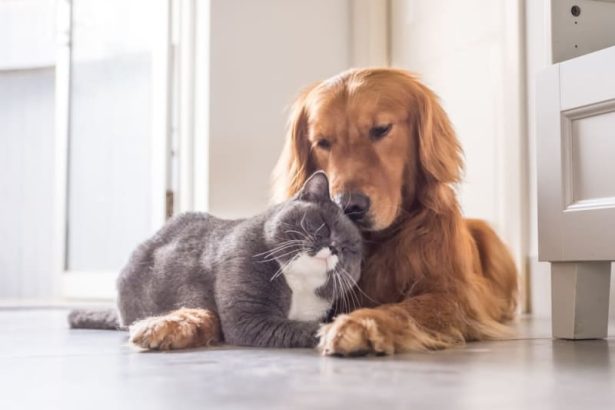

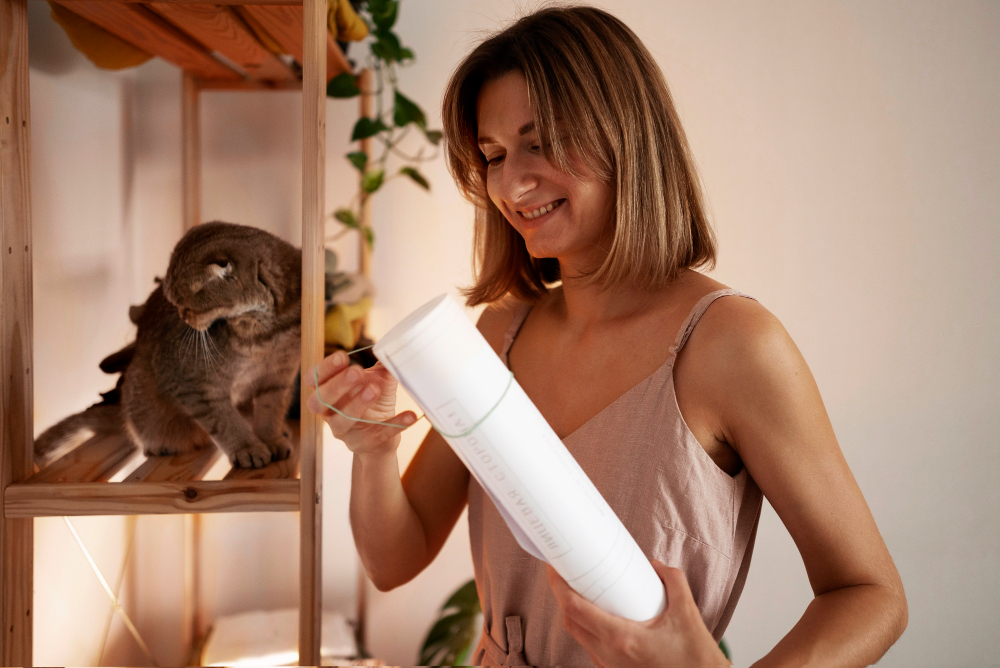
Identifying toxic cleaning products dangerous around indoor cats is a fundamental responsibility for any pet owner who prioritizes feline health and longevity. Cats possess a unique physiological makeup that renders them far more susceptible to environmental toxins than humans or even dogs. Because indoor cats spend nearly all their time in direct contact with household surfaces, they are constantly exposed to residues from floor cleaners, detergents, and disinfecting wipes. This exposure is compounded by their fastidious grooming habits; when a cat walks across a freshly mopped floor and then licks its paws, it is essentially ingesting whatever chemicals were used for cleaning. As we move into 2026, the veterinary community continues to emphasize the importance of botanical and chemical transparency in household products. Understanding which ingredients pose the greatest risk is the first step toward creating a truly safe sanctuary for your feline companion.
Why Feline Physiology Increases Chemical Risk
Cats are biologically distinct due to their liver’s limited ability to process certain chemicals through a metabolic pathway called glucuronidation. Unlike humans, felines lack specific hepatic enzymes necessary to break down phenols, essential oils, and various synthetic compounds frequently found in industrial cleaners. When these substances enter a cat’s system, they can accumulate to toxic levels rather than being filtered and excreted. This metabolic deficiency means that even small, repeated exposures to seemingly mild household products can lead to chronic organ stress or acute poisoning. Veterinary experts at the ASPCA Animal Poison Control Center frequently highlight this vulnerability as a leading cause of domestic pet emergencies occurring in modern homes.
- The Ultimate Family Emergency Evacuation Planning Guide Including Household Pets
- The Ultimate Puppy Road Trip Checklist for a Safe and Comfortable Journey
- How to Prevent Dehydration in Domestic Animals: Essential Summer Safety Tips
- The Complete Household Hazard Prevention Guide for Pets: How to Pet-Proof Your Home
Furthermore, the grooming behavior of cats serves as a direct delivery system for environmental toxins. While a human might only touch a cleaned surface with their hands, a cat uses its entire body to interact with the home environment, including lounging on carpets and walking across counters. Every time a cat grooms itself, it consumes the microscopic particles trapped in its fur and on its paw pads. Their small body mass further exacerbates this issue, as a concentration of chemicals that might be negligible to an adult human can be lethal to a ten-pound feline. This combination of unique liver chemistry and constant self-cleaning makes the choice of cleaning agents a critical health decision for indoor cat owners.
The Dangers of Phenols and Corrosive Disinfectants
Phenols are perhaps the most hazardous category of chemicals found in common household disinfectants, often identifiable by their distinctive medicinal smell or their tendency to turn milky when mixed with water. These compounds are highly effective at killing bacteria but are devastating to feline internal organs. Ingestion or even prolonged skin contact can cause corrosive burns in the mouth, esophagus, and stomach, while systemic absorption leads to liver failure and central nervous system depression. Many popular pine-scented or heavy-duty cleaners rely on these ingredients, making them entirely unsuitable for homes with cats. It is essential to read labels carefully for terms like phenolic or ortho-phenylphenol before bringing any new disinfectant into a shared living space.
Chlorine bleach is another ubiquitous household item that poses significant risks to feline health. While it is an excellent sanitizer, its corrosive nature can cause severe respiratory distress if the fumes are inhaled in a confined space, such as a small bathroom or laundry room. If a cat accidentally steps in a puddle of undiluted bleach, it can suffer from chemical paw burns and, more dangerously, internal damage if it attempts to lick the substance off. Even diluted bleach solutions should be used with extreme caution, ensuring the area is thoroughly rinsed and dried before the cat is allowed access. The strong scent of bleach can also be highly irritating to a cat’s sensitive olfactory system.
Understanding Latent Phenol Toxicity
Latent toxicity occurs when a cat is exposed to low levels of phenols over an extended period. Because the feline liver cannot process these molecules efficiently, they linger in the bloodstream, slowly damaging the liver and kidneys. By 2026, more pet owners are expected to transition toward phenol-free certifications to prevent this slow-acting damage. Symptoms of latent toxicity are often subtle and may include lethargy, a gradual loss of appetite, or an unkempt coat, which owners might mistake for simple aging. Regular veterinary blood panels are the only definitive way to catch this type of chemical accumulation before it results in irreversible organ failure or chronic feline illness.
Hidden Hazards in Floor and Carpet Cleaners
Floor cleaners represent a significant source of exposure because they cover the largest surface area in the home where cats spend their time. Many commercial floor detergents contain surfactants and fragrances that leave a thin film behind after drying. This residue is easily transferred to a cat’s paws and belly fur. Ingredients like benzalkonium chloride, frequently found in antibacterial floor cleaners, are known to cause oral ulcerations and high fevers in felines if ingested during grooming. Even if the floor appears dry to the human eye, the chemical film remains active and potentially harmful. Switching to steam cleaning or feline-safe solutions is often the most effective way to mitigate this constant risk.
Carpet shampoos and spot removers often utilize harsh solvents and foaming agents that can become trapped within the fibers of the rug. When cats play, roll, or sleep on treated carpets, they are in prolonged contact with these substances. Some carpet powders also contain fragrances and deodorizers that can trigger feline asthma or allergic dermatitis. The Pet Poison Helpline notes that many respiratory issues in indoor cats can be traced back to the aerosolization of these carpet treatments during vacuuming. It is vital to ensure that any carpet cleaning product is thoroughly extracted and that the room is well-ventilated for several hours before allowing a cat to return to the area.
In addition to liquid cleaners, the use of wet disposable floor wipes has increased in popularity, but these often contain high concentrations of synthetic detergents. These wipes are designed to dry quickly, but the concentrated chemicals they leave behind can be particularly irritating to sensitive paw pads. Owners should look for products that utilize plant-based surfactants or simply use a microfiber mop with warm water for daily maintenance. By 2026, the market for pet-safe floor care is expected to expand significantly, providing more options that do not rely on ammonium compounds or harsh glycol ethers. Ensuring a residue-free floor is one of the simplest ways to protect your cat from daily chemical ingestion.
Air Quality and Volatile Organic Compounds
Indoor air quality is just as important as surface cleanliness when it comes to feline health. Many air fresheners, scented candles, and plug-in diffusers release volatile organic compounds (VOCs) and essential oils into the air. While these products make a home smell pleasant to humans, they can be toxic to cats when inhaled or when the particles settle on their fur. Certain essential oils, such as tea tree, peppermint, and eucalyptus, are known to be particularly dangerous, potentially causing tremors, vomiting, and respiratory failure. Because cats have a much higher respiratory rate than humans, they breathe in a larger volume of these airborne irritants relative to their size, making them highly susceptible to lung inflammation.
Aerosol sprays used for cleaning windows or dusting furniture also contribute to poor indoor air quality. The fine mist can easily be inhaled by a curious cat standing nearby or can drift onto their food and water bowls. Ammonia, a common ingredient in window cleaners, is a potent respiratory irritant that can exacerbate feline asthma and cause burning in the nasal passages. To maintain a healthy environment, it is best to avoid aerosolized products whenever possible and opt for liquid cleaners applied directly to a cloth. Using HEPA air purifiers can also help remove lingering chemical particles from the air, ensuring that the environment remains breathable and safe for your indoor feline companions throughout the year.
Safer Alternatives for a Cat-Friendly Home
Transitioning to a cat-safe cleaning regimen does not mean compromising on hygiene; many natural substances are highly effective at disinfecting without the risks associated with synthetic chemicals. Distilled white vinegar is a versatile acidic cleaner that can cut through grease and mineral deposits while being completely non-toxic to felines. Baking soda serves as an excellent abrasive for scrubbing sinks and tubs, and it naturally deodorizes without the need for synthetic perfumes. For tougher messes, hydrogen peroxide can be used as a mild bleach alternative, provided it is rinsed away thoroughly. These household staples are not only safer for pets but are also more environmentally friendly and cost-effective than traditional commercial cleaners.
Enzyme-based cleaners are another essential tool for cat owners, particularly for managing litter box odors or accidental messes. These products use biological proteins to break down organic matter like urine and feces at the molecular level, rather than simply masking the scent with fragrances. Most high-quality enzyme cleaners are formulated to be non-toxic, but it is still important to check the ingredient list for added alcohols or phenols. When selecting commercial green cleaners, look for those that have been specifically tested for pet safety and carry third-party certifications. By prioritizing transparency and simplicity in ingredients, you can maintain a pristine home environment that supports the long-term well-being of your indoor cat.
Emergency Action and Preventative Measures
Prevention is the cornerstone of feline safety, which begins with secure storage of all cleaning supplies. Cats are notoriously curious and can often figure out how to open cabinet doors, leading to accidental spills or direct ingestion. Installing child-proof locks on lower cabinets where chemicals are kept can prevent a life-threatening encounter. Additionally, always keep cats in a separate, well-ventilated room while you are actively cleaning and until all surfaces are completely dry and the air has cleared. If a spill occurs, clean it up immediately and ensure your cat does not walk through the area. These simple habits can drastically reduce the likelihood of accidental poisoning in the home.
If you suspect your cat has been exposed to a toxic substance, time is of the essence. Immediate symptoms of poisoning can include excessive drooling, pawing at the mouth, vomiting, or sudden lethargy. Do not attempt to induce vomiting at home, as this can cause further damage if the substance was corrosive. Instead, immediately contact your veterinarian or a dedicated pet poison control hotline. Having the product packaging available is crucial, as it allows medical professionals to identify the specific active ingredients and provide the correct antidote or treatment plan. Being prepared for an emergency and knowing the signs of chemical distress can save your cat’s life in a critical situation.
Key Takeaways
- Felines lack the liver enzymes necessary to process phenols and many essential oils safely.
- Grooming behavior leads to the direct ingestion of chemical residues left on floors and fur.
- Ammonia and bleach are potent respiratory irritants that can trigger feline asthma or bronchitis.
- Natural alternatives like vinegar and baking soda provide effective, non-toxic cleaning results.
- Always store cleaning products in locked cabinets to prevent accidental feline access or spills.
- In 2026, prioritize products with pet-safe certifications to ensure maximum safety for indoor cats.
Frequently Asked Questions
Is distilled white vinegar safe to use around my cat?
Yes, distilled white vinegar is considered one of the safest cleaning agents for feline-friendly homes. It is non-toxic if small amounts are ingested and does not release harmful VOCs, though the strong scent may briefly bother some cats. It is excellent for glass, counters, and hard floors.
What should I do if my cat walks on a wet floor cleaned with bleach?
You should immediately wash the cat’s paws with mild, unscented dish soap and warm water to remove the residue. Monitor the cat for any signs of oral irritation or redness on the paw pads and contact your vet if you suspect any was ingested during grooming attempts.
Are green or natural cleaners always safe for cats?
Not necessarily, as many natural cleaners contain essential oils like citrus, pine, or tea tree oil which are toxic to cats. Always read the full ingredient list rather than relying on marketing terms like natural or eco-friendly, as these are not regulated for pet safety.
Why is ammonia particularly dangerous for indoor cats?
Ammonia is a highly alkaline gas that is extremely irritating to the eyes and respiratory tract. Since cats often have sensitive lungs, exposure to ammonia fumes can lead to chronic bronchitis or acute respiratory distress, making it a poor choice for feline households.
How can I safely deodorize my home without using air fresheners?
Using an air purifier with a charcoal filter is the safest way to remove odors. You can also use open bowls of baking soda placed where the cat cannot reach them to naturally absorb smells without releasing synthetic chemicals or VOCs into the air.
Conclusion
Creating a safe haven for your pet requires a vigilant approach to the chemicals used within the home. By identifying toxic cleaning products dangerous around indoor cats and replacing them with safer, feline-friendly alternatives, you can significantly reduce the risk of acute poisoning and chronic organ damage. As we progress into 2026, the availability of transparently labeled, non-toxic products makes it easier than ever to maintain a clean home without compromising pet health. Always prioritize your cat’s unique physiology when selecting detergents and disinfectants, ensuring they can roam and groom in a chemical-free environment.